Where to next

The world's most
extraordinary places.

Two ways to live every destination. No limits — and the intelligent version for those who know how to find the extraordinary without it.

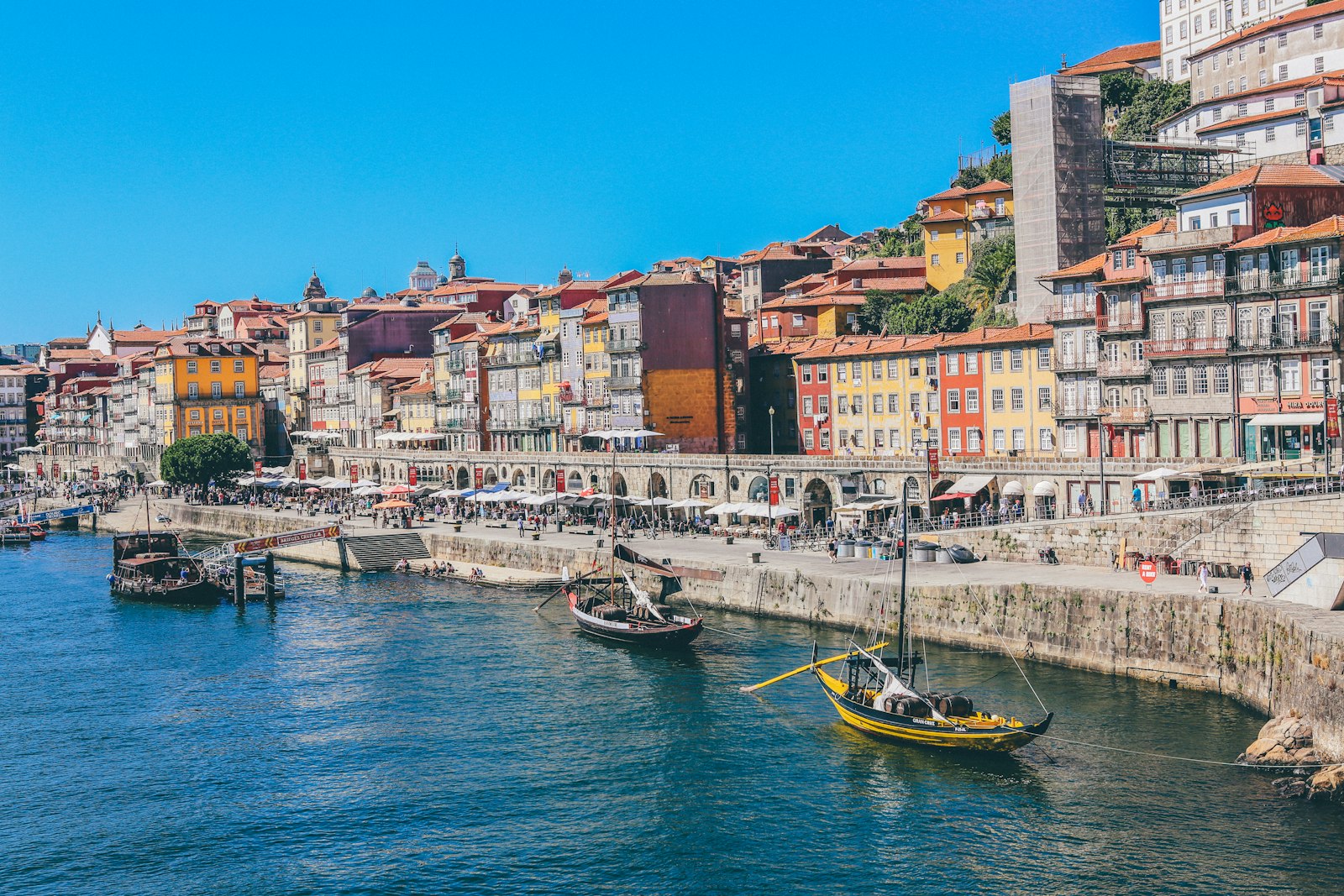
Porto

Portugal — Western Europe

Porto

Beautiful in an imperfect way. The city that gave its name to a country — and its wine to the world.

Weather now loading...
Best time to visit Apr–Jun · Sep Mild weather, fewer crowds
Airport OPO Francisco Sá Carneiro
Currency converter
EUR
No limits

Porto without a ceiling.

Where to stay
The Yeatman
Five-star hotel in Vila Nova de Gaia with an infinity pool overlooking the Douro River. One of Portugal's finest wine hotels — 24,000 bottles in the cellar.
From €350/night
Explore →
Where to eat
The Yeatman Restaurant ★★
Two Michelin stars. Chef Ricardo Costa. Panoramic views of Porto and the Douro Valley. The tasting menu pairs each course with rare Portuguese wines.
Tasting menu ~€180/person
Reserve →
Experience
Douro Valley by helicopter
The wine terraces of the Douro Valley from above. Land at a private quinta, have lunch, return by boat. The definitive way to understand this landscape.
~€800/person
Discover →
Nightlife
Pérola Negra
Renovated cabaret house turned upscale club. Porto's trendiest partygoers. Eclectic programme, always full.
Find →
The intelligent version

The same Porto. Different pocket.

Where to stay
Chic & Basic Gravity
Hip boutique hotel in the heart of Clérigos. Design rooms, great location, without the luxury price tag. The city's best-value stylish stay.
~€80–120/night
Book →
Where to eat
Cervejaria Brasão
The best francesinha in Porto — Porto's iconic sandwich in a spiced beer sauce. Locals queue for it. Honest, extraordinary, €12.
~€10–15/person
See reviews →
Experience
Douro Valley by train
One of Europe's most scenic train journeys. Porto to Pinhão along the river for €12. The same landscape as the helicopter — at window height.
€12 return
Book tickets →
Nightlife
Maus Hábitos
Iconic bar, restaurant and music venue. Best live shows and niche parties in Porto for over a decade. Free or cheap entry. The real Porto night.
Programme →

Porto's culture, decoded.

🍷
Port wine
The wine that made the city famous ages in the lodges of Vila Nova de Gaia. Always try a vintage — not just the tourist blend. Ask for a colheita.
🎵
Fado
Portugal's soul music — melancholic, powerful, unrepeatable. In Porto, seek live fado in small tascas, not tourist shows. The difference is everything.
🚃
Getting around
Porto is hilly. Walk when you can — the views are the reward. Use Uber for distances. Buy the Porto Card for museums and transport.
🏛️
Must see
Livraria Lello (book early, €8 entry). Dom Luís I Bridge at sunset. São Bento station tiles. Ribeira at night. The Douro from the bridge — always.
💬
Local tip
Porto people are proud and direct. Say 'bom dia' (good morning) and 'obrigado/a' (thank you). Avoid August — too hot, too crowded. September is perfect.
💶
Budget reality
One of Europe's most affordable capitals. A full meal with wine: €15–20. Coffee: €0.80. Beer: €1.50. You can live extraordinarily for €80/day — or €800.

Porto by season.

Jan
€€
Feb
€€
Mar
€€
Apr
€€€
May
€€€
Jun
€€€€
Jul
€€€€
Aug
€€€€
Sep
€€€
Oct
€€
Nov
€€
Dec
€€
Thessaloniki

Greece — Southern Europe

Thessaloniki

Athens is where you make money. Thessaloniki is where you live. Greece's secret — kept by Greeks, for Greeks.

Weather now loading...
Best time to visit Apr–Jun · Sep–Oct Warm, local, alive
Airport SKG Makedonia Airport
Currency converter
EUR
No limits

Thessaloniki without a ceiling.

Where to stay
ON Residence
Elegant boutique hotel overlooking the water, minutes from Aristotelous Square. The finest address in the city — restrained luxury, perfect service.
From ~€200/night
Book →
Where to eat
Shark Bar & Restaurant
Upscale seafood restaurant in Kalamaria with sea views, 150+ wines, live music. Mediterranean cuisine at its finest — deck over the Aegean.
~€60–80/person
Explore →
Experience
Private Byzantine tour
15 UNESCO sites in one city. Hire a private historian-guide — the Rotunda, Hagios Demetrios, the Byzantine walls at golden hour. A civilisation in a single afternoon.
~€150–200 private tour
Find guide →
Nightlife
Sky Bar — The Met Hotel
7th floor. 22-metre pool. 360° views of Thessaloniki. The place to start your night — cocktails above the city before going deeper into Ladadika.
Reserve →
The intelligent version

The same city. A fraction of the cost.

Where to stay
Villa Clio
Renovated neoclassical building. Eclectic design, pleasant residential area, mid-range price with a boutique feel that costs twice as much elsewhere.
~€80–125/night
Book →
Where to eat
Bougatsa Bantis + Kapani Market
Bougatsa — custard-filled pastry invented here, made by hand including the filo — is the city's greatest culinary contribution. €2. Eat it standing. Then walk Kapani market for the rest.
€2–15/person
See reviews →
Experience
Ano Poli at sunset
The upper town. Byzantine walls, Ottoman houses, the best view of the city. Free. Walk up at 6pm, watch the light on the Thermaic Gulf. Then eat at a local taverna for €10.
Free
Map →
Nightlife
Ladadika + Valaoritou Street
Start in Ladadika — converted warehouses, outdoor seating, good-natured crowd. Move to Valaoritou for craft cocktails and vinyl-playing bartenders. Dinner at 10pm, bars until 5am. This is Greece.
Map →

Thessaloniki's culture, decoded.

🎶
Rebetiko
Greek blues. Born in Thessaloniki's backstreets. Live rebetiko venues run until 5am with tsipouro (Greek spirit) on the table. More cultural than any museum.
🏛️
2,300 years of history
Roman, Byzantine, Ottoman — all in the same square kilometre. The Rotunda (4th century AD), Hagios Demetrios, the Arch of Galerius. Walk between 15 UNESCO sites in an afternoon.
🍢
Food city
Greece's first UNESCO City of Gastronomy. Bougatsa for breakfast, meze for lunch, grilled octopus at sunset, ouzeri at midnight. The food is the nightlife.
🕐
Greek time
Dinner starts at 9:30pm. Bars at midnight. Serious music venues until 5 or 6am. If you arrive at a Greek schedule thinking it's European schedule, you'll eat alone.
🚇
Getting around
New metro inaugurated in November 2024 — the city got much easier to navigate. Taxis: €22–25 from airport. Bus: €2. Walk the waterfront promenade for free.
💶
Budget reality
Cheaper than Athens. A full meze dinner with wine: €15–20. Beer: €3. Accommodation from €25 (hostel) to €200+ (boutique). One of Europe's best-value destinations.

Thessaloniki by season.

Jan
Feb
Mar
€€
Apr
€€
May
€€€
Jun
€€€
Jul
€€€
Aug
€€€
Sep
€€€
Oct
€€
Nov
€€
Dec
Cappadocia

Turkey — Central Anatolia

Capadócia

30 million years of erosion created a landscape the human mind refuses to accept as real. Then someone decided to sleep inside it.

Weather now loading...
Best time to visit Abr–Jun · Set–Out Mild days, cold nights, balloon season
Airport ASR / NAV Kayseri ou Nevşehir
Currency converter
TRY
No limits

Cappadocia without a ceiling.

Where to stay
Kayakapi Premium Caves
Ranked 3rd best luxury hotel in the world by TripAdvisor. An entire restored historical hillside neighbourhood — cave suites, outdoor pool overlooking the valleys, spa, and Revithia, Cappadocia's only Michelin-starred restaurant.
From €350/night
Explorar →
Where to eat
Revithia — Michelin ★
The only Michelin-starred restaurant in Cappadocia. Seasonal menu rooted in Anatolian and Cappadocian traditions, paired with volcanic-soil local wines. Dining inside a historic cave setting.
~€120/person
Reservar →
Experience
Private hot air balloon at sunrise
A private basket for two over hundreds of fairy chimneys at dawn. The sky fills with colour, the valleys glow below. Book months in advance — this is one of the most requested experiences on earth.
~€400–600/person (private)
Reservar →
Experience
Museum Hotel — Relais & Châteaux
The only Relais & Châteaux property in Turkey. Carved into the cliffs of Uçhisar, filled with genuine artefacts. Private suites with indoor cave pools, infinity pool facing the fairy chimneys.
From €400/night
Explorar →
The intelligent version

The same sky. The same rock. Different budget.

Where to stay
Sultan Cave Suites
The most famous rooftop terrace in Cappadocia. Cave rooms with Turkish antiques, private terraces, and the perfect vantage point for watching hundreds of balloons rise at sunrise — without paying five-star prices.
~€80–150/night
Reservar →
Where to eat
Seten Restaurant — Anatolian Cultural Center
Traditional Anatolian cuisine with live music and art exhibitions. The full experience of Cappadocian culture — food, music, heritage — in one place, for a fraction of the Michelin price.
~€20–35/person
Ver reviews →
Experience
Balloons from the ground — Sunrise Point
You don't need to be in a balloon to have the experience. Sunrise Point in Göreme at 5:30am — hundreds of balloons rising over the valley below you, the colours impossible, the silence total. Free.
Grátis
Map →
Experience
Derinkuyu Underground City
8 floors underground. Built 2,800 years ago. 20,000 people lived here in secret, hidden from invaders. One of the most extraordinary man-made spaces on earth. Entry: €10.
~€10 entrada
Map →

Cappadocia decoded.

🎈
The balloons
Hundreds of balloons rise every morning at sunrise — not a few, hundreds. Book your flight months in advance. They cancel with bad weather; always get refundable tickets. The experience from the ground is free and equally surreal.
🪨
Fairy chimneys
Volcanic rock eroded over 30 million years into vertical formations that look hand-carved. People lived inside them for centuries — the caves are still there, many converted into hotels and churches with Byzantine frescoes.
🍷
Volcanic wines
Cappadocia has been producing wine for 3,000 years on volcanic soil. The result is unlike anything from Europe — mineral, earthy, intense. Try Emir (white) and Öküzgözü (red) from local wineries in Ürgüp.
✈️
How to get there
Fly to Kayseri (ASR) or Nevşehir (NAV). Turkish Airlines connects from Istanbul, 1h15. From Europe, connect in Istanbul. Once there, rent a car — the valleys and underground cities require mobility.
💬
Local tip
Stay at least 4 nights. The first morning is the balloons. The second is the valleys on foot or ATV. The third is the underground cities. The fourth is when you realise you don't want to leave.
💶
Budget reality
Turkey's lira makes it extraordinary value. A cave hotel room from €40. A full dinner with wine: €15–20. The balloon: €150–200 shared, €400+ private. You can live extraordinarily for €100/day.

Cappadocia by season.

Jan
Feb
Mar
€€
Apr
€€€
May
€€€
Jun
€€€
Jul
€€
Aug
€€
Sep
€€€
Oct
€€€
Nov
€€
Dec
Lofoten

Norway — Arctic Circle

Lofoten

Mountains of granite rising 1,000 metres directly from the Arctic Ocean. In summer, the sun never sets. In winter, the sky dances. Always, the silence is absolute.

Weather now loading...
Best time to visit Jun–Ago · Jan–Mar Midnight sun or Northern Lights — choose
Airport SVJ / BOO Svolvær ou Bodø
Currency converter
NOK
No limits

Lofoten without a ceiling.

Where to stay
Nusfjord Arctic Resort
An entire restored fishing village turned luxury boutique resort. 19 permanent residents, centuries of history, Nordic spa with seafront hot tub, candlelight dinners in a 19th-century loft, and perfect winter silence under the Northern Lights.
From €250/night
Explorar →
Where to eat
Børsen Spiseri — Svinøya
Inside a quayside warehouse dating to 1828. Nordic seafood at its finest — stockfish caught that day, Arctic char, king crab from the cold waters just outside. One of the most distinctive restaurants in Lofoten.
~€60–90/person
Reservar →
Experience
Private Northern Lights boat tour
A private fishing boat into the fjord at midnight in January. Silence, cold air, and then the sky opens in green and violet. The captain knows where to go. No crowds. No light pollution. Just the aurora and the mountains.
~€200–350/person
Reservar →
Experience
Eliassen Rorbuer + private sauna
The most photographed red cabins in Norway, on Hamnøy Island. Renovated to luxury standard. Book a cabin with a private sauna over the water — the view of Reinefjord from inside a hot wooden box is a different kind of extraordinary.
From €200/night
Reservar →
The intelligent version

The same Arctic. A different pocket.

Where to stay
Sakrisøy Rorbuer
Glows gold against the sea. Traditional cabins with big windows, full kitchens, and views of the mountains that every photographer travels 3,000km to capture. On-site restaurant with the best fish burger in Lofoten.
~€120–180/night
Reservar →
Where to eat
Gadus — Eliassen Rorbuer
Italian-Norwegian fusion born in 1432 when a Venetian sailor shipwrecked in Lofoten and returned home with stockfish. Today: fresh Lofoten cod prepared with Italian technique. History on a plate.
~€30–50/person
Ver menu →
Experience
Reinebringen hike at sunrise
The most iconic viewpoint in Norway. 448 metres up, 45-minute hike. At the top: the village of Reine far below, red cabins on turquoise water, mountains into the sea in every direction. Zero cost. Zero crowds before 7am.
Grátis
Map →
Experience
Aurora hunting by car
Rent a car (€60–80/day), drive the E10 at night in winter with a clear sky app. When the aurora appears, pull over. The mountains, the fjord, the dancing sky. No guide needed. No booking needed. Just time and patience.
~€60–80 carro/dia
Aluga carro →

Lofoten decoded.

🌌
Northern Lights
Season: October to March. Best months: January and February when nights are longest. You need clear skies and solar activity. Download Aurora Forecast app. No light pollution in Lofoten — when it appears, it fills the entire sky.
☀️
Midnight sun
June to August: the sun never fully sets. At 2am it's still golden hour. You lose all sense of time — and that's the point. Bring a sleep mask if you need to sleep. Or don't, and hike Reinebringen at midnight.
🚗
Getting around
You need a car. The E10 highway connects all islands through bridges and underwater tunnels — one of Europe's most scenic drives. In winter, 4x4 with winter tires. Always check vegvesen.no for road conditions.
🐟
Stockfish culture
Since the year 1000, fishermen from across Norway came to Lofoten for the cod season (January–April). The dried stockfish here is exported worldwide — including to Brazil, where it became bacalhau. The tradition is still alive.
💬
Local tip
Book rorbuer 6 months in advance for summer. For winter, 3 months is enough. The best villages for atmosphere: Reine, Hamnøy, and Henningsvær. Avoid Leknes for overnight — it's the most central but the least charming.
💶
Budget reality
Norway is expensive. A rorbu from €120/night. Dinner: €40–60. But many experiences are free — hikes, beaches, aurora hunting. Budget €150–200/day for a complete experience. Luxury: €400+.

Lofoten by season.

Jan
Aurora
Feb
Aurora
Mar
€€
Apr
€€
May
€€
Jun
Sol 24h
Jul
Sol 24h
Aug
Sol 24h
Sep
€€€
Oct
Aurora
Nov
Dec
Tokyo

Japan — East Asia

Tokyo

The most organised chaos on Earth. A city that makes every other city feel unfinished.

Weather now loading...
Best time to visit Mar–Apr · Oct–Nov Cherry blossoms or autumn foliage
Airport HND · NRT Haneda or Narita
Currency converter
JPY
✦ No limits

Tokyo without a ceiling.

Where to stay
Aman Tokyo
33 floors up in Otemachi, above the Imperial Palace gardens. The most minimal luxury in the city — vast rooms, traditional Japanese materials, silence that Tokyo shouldn't allow. The Aman Spa is a six-floor sanctuary of hinoki wood and hot stone.
From €1,200/night
Explore →
Where to eat
Sukiyabashi Jiro Honten ★★★
Three Michelin stars. The most famous sushi counter in the world. Jiro Ono has been perfecting the same twenty pieces for sixty years. Reservation requires a hotel concierge with existing relationship. The omakase takes 20 minutes and costs €300. Worth every second.
~€300/person
Experience
Private Tea Ceremony in Yanaka
In the oldest surviving neighbourhood of Tokyo — where geishas still walk — private tea ceremony masters accept guests by invitation. Two hours. No photographs. The most concentrated experience of Japanese aesthetics available to a visitor.
~€200/person private
Nightlife
Bar High Five — Ginza
Hidetsugu Ueno is considered the world's best bartender. The 9-seat bar in Ginza has no menu — he reads the client and creates. A cocktail is €30. The experience is priceless.
Reserve →
◆ The intelligent version

The same Tokyo. Different pocket.

Where to stay
Trunk Hotel — Shibuya
Tokyo's best design hotel under €200. Locally sourced materials, neighbourhood ethos, rooftop bar. In Shibuya — the neighbourhood that defines modern Tokyo. The coffee shop on the ground floor is the best in the city.
~€150–200/night
Book →
Where to eat
Standing ramen + conveyor belt sushi
Tokyo has more Michelin-starred restaurants than any city on Earth — but its greatest food is in standing ramen counters (€8), conveyor belt sushi (€15), and depachika basement food halls. Tsukiji Outer Market for breakfast. Ichiran Ramen for midnight.
€8–20/meal
Experience
TeamLab Borderless
The most visited art installation in history. Digital immersive art fills a warehouse — rooms where flowers grow around your feet, where fish swim around you, where light responds to touch. €30. Book weeks ahead. Nothing like it on Earth.
~€30/person
Book →
Nightlife
Shinjuku Golden Gai
200 tiny bars, each seating 6–8 people, packed into six alleys. Each bar has a theme, a regular crowd, a bartender who's been there for decades. The most intimate drinking experience in the world. From €5 a drink.

Tokyo's culture, decoded.

🚄
Getting around
The Tokyo metro is the most efficient transit system on Earth. A 72-hour unlimited pass costs €13. IC Card (Suica) works on every train, bus, and convenience store. Never take taxis for distances over 2km.
🙇
Etiquette
No eating while walking. No speaking on the phone on trains. Both hands when giving or receiving. Remove shoes when entering homes and many restaurants. The bow is not optional — depth indicates respect level.
🏯
Must see
Senso-ji at dawn (before crowds). Shibuya crossing at midnight. Yanaka neighbourhood for old Tokyo. Harajuku on Sunday for street fashion. Shinjuku at 2am to understand the city's real energy.
🗣️
Language
Almost nobody speaks English outside hotels. Google Translate camera is essential. Learn: arigatou gozaimasu (thank you), sumimasen (excuse me), ikura desu ka (how much). Japanese people will go out of their way to help — if you try.
💴
Budget reality
Tokyo is cheaper than London or Paris. A full ramen meal: €8. Metro day pass: €5. Quality sushi lunch: €15. The extraordinary is accessible — if you know where to look. Convenience stores (konbini) serve better food than most European restaurants.
🌸
Seasons
Cherry blossom (late March to early April) is peak experience — and peak crowds. Autumn foliage (November) is equally beautiful with fewer tourists. Avoid August: 35°C heat and 90% humidity makes the city almost unbearable.

Tokyo by season.

Jan
€€
Feb
€€
Mar
€€€
Apr
€€€€
May
€€€
Jun
€€€
Jul
€€€
Aug
€€€
Sep
€€€
Oct
€€€
Nov
€€€
Dec
€€
Dubai

UAE — Middle East

Dubai

The city that built the future on desert sand. Excess as architecture. Ambition made visible.

Weather now loading...
Best time to visit Nov–Mar Perfect 25°C, outdoor season
Airport DXB Dubai International
Currency converter
AED
✦ No limits

Dubai without a ceiling.

Where to stay
Burj Al Arab
The world's only 7-star hotel. Built on its own island, accessible by Rolls-Royce transfer. Every room is a duplex suite minimum. The Royal Suite has its own cinema, rotating bed, and private pool. The cheapest room costs €1,800/night. The most recognisable hotel silhouette on Earth.
From €1,800/night
Explore →
Where to eat
Nobu — Atlantis The Palm
Nobu Matsuhisa's flagship in the Palm Jumeirah. Japanese-Peruvian fusion at the level that put Nobu on the global stage. The black cod miso is the dish that made the restaurant world rethink what fusion could be. A meal here is a reference point.
~€150/person
Experience
Private Desert Safari — overnight
A private Bedouin camp set in the red dunes of the Liwa Desert, 200km from the city. A convoy of Land Cruisers, falconry at dusk, dinner under stars, sleeping in a tent designed by a Parisian studio. The real Arabia, arranged for those who ask correctly.
~€800/person
Nightlife
White — Dubai
The most exclusive club in the city. International DJs, a crowd that arrived by helicopter and private jet, champagne that costs what a plane ticket should. Dress code is non-negotiable. Tuesday is the right night.
◆ The intelligent version

The same city. Another budget.

Where to stay
Rove Downtown
The best budget design hotel in Dubai. Walking distance from the Burj Khalifa and Dubai Mall. Bright, minimal, well-located. The difference between this and a €1,000 hotel: the pool size. Everything else Dubai does for free.
~€80–120/night
Book →
Where to eat
Al Ustad Special Kabab
Since 1978. The same family, the same kababs, the same Deira address. What Dubai ate before the skyscrapers arrived. An Iranian-style meal that costs €10 and teaches you more about the city than any hotel restaurant.
~€10/person
Experience
Dubai Frame + Old Souk by foot
The Dubai Frame is a literal picture frame 150 metres tall: old Dubai on one side, new Dubai on the other. Then walk to the Gold and Spice Souks in Deira — the city that existed before the towers. Cross by abra (water taxi) for €0.50.
€15 total
Free
Burj Khalifa fountain show
Every evening at 6pm and 8pm, the world's largest fountain performs to music in the lake below the world's tallest building. Free. Best viewed from the Dubai Mall waterfront or from a €4 table at a nearby café. Genuinely extraordinary at no cost.

Dubai's culture, decoded.

🕌
Respect
Dubai is a Muslim city. Dress modestly outside hotels, beaches and clubs. During Ramadan, no eating or drinking in public during daylight hours. Public displays of affection are frowned upon. The respect is not optional — it is the foundation of the visit.
🌡️
The heat
Summer (June–September) reaches 45°C with 80% humidity. The city moves indoors — malls, hotels, underground. Outdoor activities become impossible. November to March is the reason Dubai exists as a destination.
🚗
Getting around
The metro covers the main tourist spine efficiently. Uber and Careem work well. Taxis are metered and honest. Renting a car reveals another Dubai — the open highways, the desert edges, the neighbourhoods tourists never reach.
🛍️
Shopping
Dubai Mall is the world's largest mall — and surprisingly, not just for the wealthy. The Gold Souk in Deira sells 18–22 carat gold at close to spot price. Bargaining is expected and respected.
💵
Budget reality
Dubai is polarised: world-class luxury at world prices, or surprisingly affordable local life. Avoid hotel restaurants. Eat where Emiratis eat. The 5-star experience costs what it costs anywhere — but the 3-star experience here punches above its weight.
🏖️
Beaches
Public beaches are free and clean. JBR Beach and Kite Beach are the best. Private beach clubs (Nikki Beach, Sofitel) charge €50–100 entry with consumption credit. The Persian Gulf is warm year-round (except no one goes in summer).

Dubai by season.

Jan
€€€€
Feb
€€€€
Mar
€€€
Apr
€€€
May
€€
Jun
Jul
Aug
Sep
€€
Oct
€€€
Nov
€€€€
Dec
€€€€
Marrakech

Morocco — North Africa

Marrakech

Where every alley is a labyrinth and every door hides a garden. The city that invented the riad.

Weather now loading...
Best time to visit Mar–May · Sep–Nov Warm but not brutal
Airport RAK Menara Airport
Currency converter
MAD
✦ No limits

Marrakech without a ceiling.

Where to stay
Royal Mansour
Built by the King of Morocco. Not a hotel — a medina. 53 private riads, each with its own courtyard, pool, and rooftop terrace. 520 craftsmen worked for 5 years on the zellige tilework alone. The most extraordinary luxury accommodation in Africa.
From €1,500/night
Explore →
Where to eat
Le Jardin Secret Restaurant
Hidden inside a restored 19th-century riad with two walled gardens — one Islamic, one exotic. Moroccan cuisine at its most refined. The pastilla (pigeon pie with almonds and orange blossom water) is one of the great dishes of North Africa.
~€60/person
Experience
Private Atlas Mountains excursion
45 minutes from the city, Berber villages in the High Atlas have seen little tourism. A private guide, a 4×4, lunch at a family home, a walk to a waterfall. The contrast with the medina is the entire point.
~€200/person
Hammam
Hammam de la Rose
The finest traditional hammam in the medina. Two hours of steam, black soap scrub, and massage in 17th-century baths. The body leaves different from how it arrived. Book the private suite for the full experience.
~€80/person
Book →
◆ The intelligent version

The same medina. A fraction of the cost.

Where to stay
Dar Darma — medina riad
A restored 18th-century riad in the heart of the medina. 5 rooms around a courtyard with orange trees. No two rooms alike. Breakfast on the rooftop terrace with views to the Koutoubia minaret. €80/night — one of travel's great value propositions.
~€70–100/night
Where to eat
Djemaa el-Fna at sunset
The main square becomes an open-air restaurant at nightfall. 100 stalls, the same families for generations. Harira soup, merguez, fresh-squeezed orange juice, sheep brains for the brave. The most alive dinner in the world for €8.
€5–10/person
Experience
Majorelle Garden
The electric-blue garden created by painter Jacques Majorelle, later owned by Yves Saint Laurent. Now a museum of Berber culture alongside the garden. The most beautiful 2 hours in Marrakech for €10. Go at opening time — 9am.
€10/person
Bargaining
The souks — with strategy
The medina souks are the finest craft market in Africa. The rule: the first price is never the real price. Counter at 30%, settle at 50–60%. Never accept the first offer. Never shop with a guide (they take 20% commission from every sale). Walk alone, take time, buy well.

Marrakech's culture, decoded.

🧭
The medina
The medina has 9,000 alleys and no map works inside it. Getting lost is the experience, not the problem. The main landmarks (Djemaa el-Fna, Koutoubia, Medersa Ben Youssef) orient you. Trust your instincts and accept that you will be lost — and found — repeatedly.
🫖
Mint tea
Mint tea is hospitality in liquid form. When offered, accept — refusing is an insult. It will be poured from height to create froth (the "Berber whisky" pour). Three glasses is the tradition. The first is life, the second is love, the third is death.
📸
Photography
Ask before photographing people — always. Many will say yes. Some will ask for a dirham. The snake charmers and henna artists in Djemaa el-Fna will demand payment aggressively. Decide in advance what you want from the square.
👗
Dress
Shoulders and knees covered in the medina — out of respect, not obligation. A light linen jacket or scarf does the job. In hotels and rooftops you can dress as you wish. The medina has its own unspoken codes and following them opens more doors than breaking them.
💰
Budget reality
Marrakech is exceptional value. A street meal: €5. A riad room: €60–150. A hammam: €15–80. A private car for the day: €50. The luxury tier is genuinely luxurious; the budget tier is genuinely comfortable. Few cities offer this spread.
🌅
Golden hour
The light in Marrakech at 5–7pm is the reason photographers come here. The pink walls of the medina glow. The Koutoubia minaret catches fire. Be in the streets — not in a rooftop bar — for this hour. It is the city's gift to those who are paying attention.

Marrakech by season.

Jan
€€
Feb
€€
Mar
€€€
Apr
€€€
May
€€€
Jun
€€
Jul
Aug
Sep
€€€
Oct
€€€
Nov
€€
Dec
€€
Santorini

Greece — Aegean Sea

Santorini

The island that exists to be looked at. A caldera, white walls, and the best sunset on Earth.

Weather now loading...
Best time to visit May–Jun · Sep–Oct Before and after the peak crowd
Airport JTR Santorini Thira
Currency converter
EUR
✦ No limits

Santorini without a ceiling.

Where to stay
Canaves Oia Epitome
Carved into the caldera cliff in Oia. Seven suites, each with an infinity pool suspended over the volcano. 24-hour butler, private yacht available, helicopter transfers. The most photographed view in Europe — from the privacy of your own terrace.
From €2,500/night
Explore →
Where to eat
Metaxy Mas — Exo Gonia
The locals' secret. A farmhouse in the interior, no caldera views, no Instagram tourists. Tomato fritters from tomatoes grown in volcanic soil, fava from Santorinian yellow peas, grilled octopus that spent the morning on the rocks. The real Santorini table.
~€50/person
Experience
Private catamaran — caldera sailing
A private catamaran, a captain and chef, 8 hours sailing the caldera. Swim in the hot springs of the volcano, lunch on the boat, watch the sunset from the water. The island from the sea is the island at its most honest.
~€1,200/boat (up to 8 people)
Wine
Santo Wines — caldera tasting
Santorini's volcanic soil produces Assyrtiko — one of the world's most distinctive white wines. Mineral, citrusy, impossible to replicate elsewhere. Santo Wines has the best tasting terrace on the caldera. Book the sunset slot.
Book →
◆ The intelligent version

The same island. Wiser budget.

Where to stay
Stay in Firostefani or Imerovigli
Oia has the famous sunset but also 3× the prices. Firostefani and Imerovigli are a 10-minute walk from Oia, have identical caldera views, and cost 40–60% less. The sunset is the same sunset. The Instagram photo is identical.
~€120–200/night
Sunset strategy
Avoid Oia lighthouse — walk to Skaros Rock
Everyone watches the Oia sunset from the same spot, packed shoulder to shoulder. Skaros Rock in Imerovigli gives the same view, a fraction of the crowd, and the best foreground in the island. Arrive 90 minutes early with wine.
Free
Where to eat
Locals' tavernas in Pyrgos village
Pyrgos is the highest village on the island — medieval, intact, tourist-light. Tavernas here charge half the caldera price for food that's often better. Moussaka, grilled lamb, local wine. The Santorini that existed before the influencers.
~€20–30/person
Getting around
ATV rental — island exploration
Renting an ATV (€25/day) unlocks the interior of the island: black sand beaches, ancient ruins, vineyards, donkey paths. The bus system covers the main villages but the island's character lives in the roads between them.
€25/day

Santorini's culture, decoded.

🌋
The caldera
Santorini IS a volcano. The island is the remains of one of history's largest eruptions (~1600 BC), which may have ended Minoan civilisation. The caldera is the flooded crater. The black and red beaches are volcanic. Swimming in the hot springs is swimming inside a volcano.
📸
Crowds
July–August: 15,000–20,000 tourists per day on an island of 15,000 residents. The famous blue-domed churches have queues. Oia sunset has thousands of people. May, June, September, October offer the same landscape with a fraction of the crowds.
🍷
The wine
Assyrtiko grapes grow in basket-shaped vines (kouloura) directly on the volcanic soil, with no irrigation. The volcanic minerals give the wine a salinity and minerality found nowhere else. Visiting a winery is not optional — it explains the island.
�donkey
Getting around
The island is small — 18km long. Bus, ATV, or taxi. The cable car from Fira port (€6) beats the 580 steps or the donkey path. Rent an ATV for freedom. Avoid driving at night — the roads are narrow, unlit, and unforgiving.
🌊
Beaches
Black sand (Perissa, Perivolos) absorbs heat — bring shoes and arrive early. Red Beach near Akrotiri is the most dramatic and least visited. No beach on Santorini is a swimming beach — the real swimming happens from boats on the caldera side.
💶
Budget reality
Santorini is expensive. A caldera-view hotel: €200–2,500/night. A restaurant on the caldera: €80–150/person. But the interior is affordable — €25–40/night, €15–25 meals. The choice of neighbourhood is the most powerful budget lever on the island.

Santorini by season.

Jan
Feb
Mar
€€
Apr
€€€
May
€€€
Jun
€€€€
Jul
€€€€
Aug
€€€€
Sep
€€€€
Oct
€€€
Nov
€€
Dec
Kyoto

Japan — Kansai Region

Kyoto

Japan's soul city. 1,600 temples, geishas still walking, and the most refined aesthetic on Earth.

Weather now loading...
Best time to visit Mar–Apr · Nov Cherry blossoms or autumn maples
Getting there KIX → Shinkansen 75 min from Osaka airport
Currency converter
JPY
✦ No limits

Kyoto without a ceiling.

Where to stay
Tawaraya Ryokan
The oldest and most revered ryokan in Japan — established 1709. Guests have included Steve Jobs, who stayed here every trip to Japan. 18 rooms around a private garden. Kaiseki dinner and breakfast included, prepared by cooks who have trained for decades. The reference for Japanese hospitality.
From €1,000/night (two, dinner included)
Enquire →
Where to eat
Kikunoi Honten ★★★
Three Michelin stars. Kaiseki cuisine — 12 courses where each dish represents a season, an ingredient at its peak, a centuries-old technique. Murata Yoshihiro is considered Japan's greatest living kaiseki chef. The tasting menu changes monthly.
~€200/person
Reserve →
Experience
Private maiko dinner — Gion
A maiko (apprentice geisha) dinner in the Gion district is the most exclusive cultural experience in Japan. Arranged through specific ochaya (teahouse), requires a Japanese-speaking introducer. Three hours of dance, music, and conversation. Profoundly rare.
~€500/person
◆ The intelligent version

The same Kyoto. Different budget.

Where to stay
Budget ryokan — Higashiyama district
Small family ryokans in Higashiyama offer tatami rooms, futon sleeping, shared baths, and Japanese breakfast for €60–100/night. The same sliding shoji screens, the same garden views, a fraction of the Tawaraya price. The neighbourhood is the finest in Kyoto.
~€60–100/night
Temples — strategy
Fushimi Inari at 5am
The 10,000 torii gates of Fushimi Inari are the most photographed sight in Japan. At 5am: no tourists, early morning light, monks beginning their day. By 9am: thousands of people, impossible shots. The difference between these two visits is the same mountain.
Free (open 24h)
Where to eat
Nishiki Market + Obanzai
Nishiki Market (400 years old, 130 vendors) is Kyoto's kitchen. Obanzai is Kyoto home cooking — small dishes of pickled vegetables, tofu, fish, rice. Look for the tiny counters around Gion where a 5-dish obanzai lunch costs €12.
€10–15/meal
Experience
Arashiyama bamboo grove at dawn
The bamboo forest of Arashiyama at 6am: silence, filtered light, the sound of bamboo moving in wind. By 10am it is a photo queue. Combine with the Tenryu-ji temple garden (€5) and the Iwatayama monkey park for a full morning without crowds.
Free · €5 temple

Kyoto's culture, decoded.

⛩️
Temples
Kyoto has 1,600 Buddhist temples and 400 Shinto shrines. Don't try to see them all — choose 3–4 and understand them properly. Kinkaku-ji (Golden Pavilion), Ryoan-ji (rock garden), Fushimi Inari (10,000 torii), and any temple in Higashiyama at dusk.
🎭
Geisha culture
Geishas (geiko) and their apprentices (maiko) still walk the Gion district at dusk on their way to ochaya engagements. They are professionals, not tourist attractions. Photographing without permission, blocking their path, or touching them is deeply disrespectful. Watch from a respectful distance.
🍵
Tea ceremony
The Japanese tea ceremony (chado) is a philosophical practice, not a tourist activity. A genuine ceremony takes months to prepare for. The tourist versions are compromised but still beautiful. Look for smaller, family-run tea houses in Higashiyama rather than the commercial options.
🏯
Nijo Castle
The shogun's Kyoto residence has "nightingale floors" — floors designed to creak when walked on, so no assassin could approach in silence. 400 years of engineering still audible today. The most tactile architectural experience in Japan.
🚌
Getting around
Bus or bicycle. The Kyoto City Bus covers every major sight. A bicycle (€10/day rental) is the local way — flat streets, beautiful neighbourhoods to explore without a schedule. The subway covers the main axis but misses most of what matters.
💴
Budget reality
Kyoto is affordable once you leave the tourist zones. A temple entry: €5–8. A bowl of ramen: €8. A set lunch at a proper restaurant: €15. The price jumps happen at high-end ryokans and kaiseki restaurants — both worth it once, both unnecessary for understanding the city.

Kyoto by season.

Jan
€€
Feb
€€
Mar
€€€€
Apr
€€€€
May
€€€
Jun
€€
Jul
€€
Aug
€€
Sep
€€€
Oct
€€€
Nov
€€€€
Dec
€€
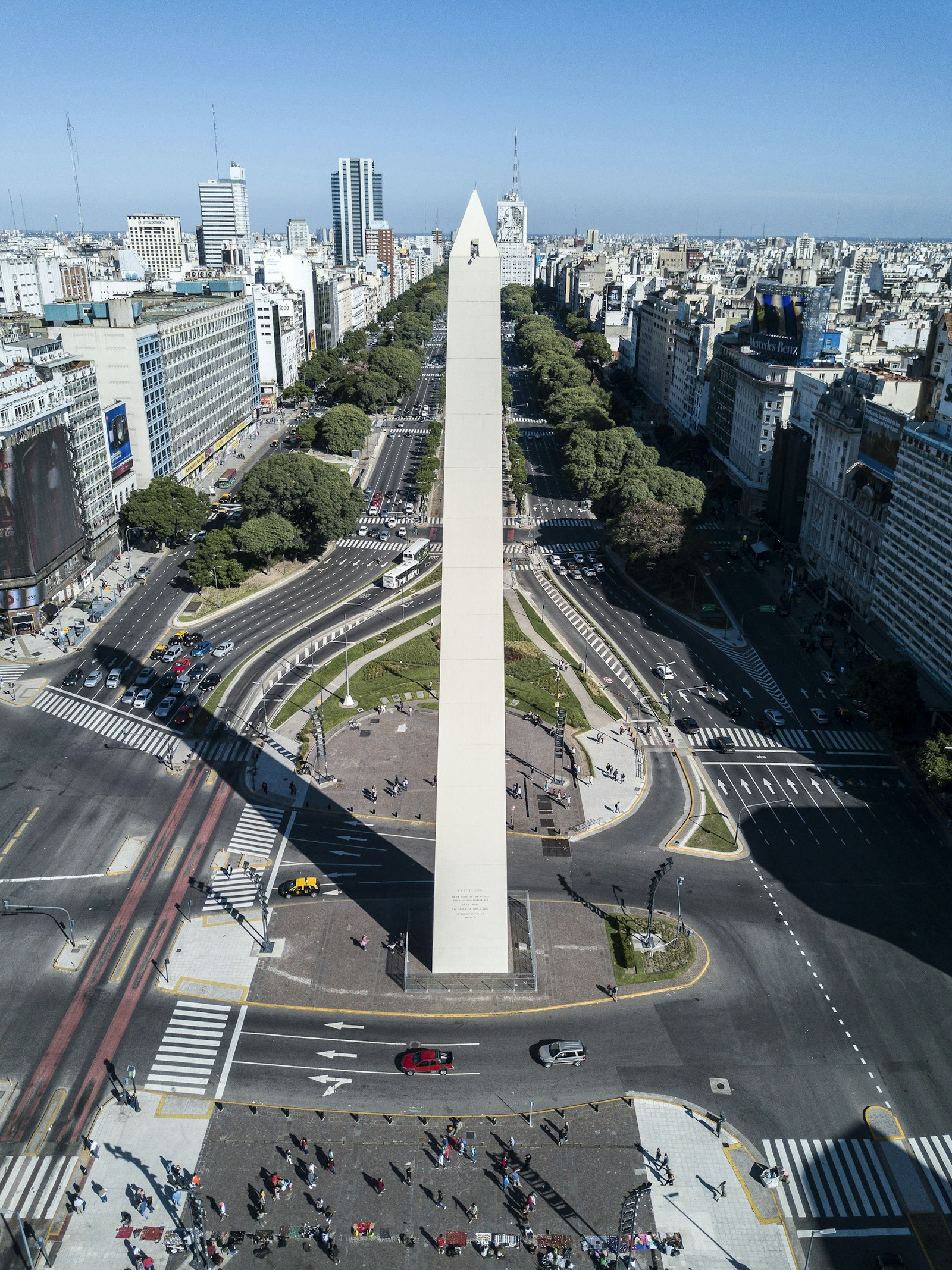
Buenos Aires

Argentina — South America

Buenos Aires

Paris of the South — but with better steak, more passionate football, and a melancholy that only tango understands.

Weather now loading...
Best time to visit Sep–Nov · Mar–May Southern hemisphere spring/autumn
Airport EZE Ministro Pistarini International
Currency converter
ARS
✦ No limits

Buenos Aires without a ceiling.

Where to stay
Faena Hotel Buenos Aires
Alan Faena's masterpiece in Puerto Madero — a converted grain warehouse transformed into the most theatrical luxury hotel in South America. Philippe Starck interiors, rooftop pool with views of the Río de la Plata, the Cabaret restaurant, and a Faena Arts Centre in the same complex. Buenos Aires at its most operatic.
From €400/night
Where to eat
Don Julio — Palermo
Consistently ranked among the top 50 restaurants in Latin America. Not a fine dining room — a classic parrilla with checked tablecloths and extraordinary beef. The dry-aged bife de chorizo and provoleta cheese are the reference. Reserve 2–3 weeks ahead. The queue outside at 9pm is a queue of knowing people.
~€40–60/person with wine
Experience
Private tango lesson + milonga
A private lesson with a professional couple in the San Telmo neighbourhood, followed by attending a milonga (tango dance hall) that night — not a tourist show, an actual social dance. The Buenos Aires milonga scene is the finest in the world. Tango here is not performance — it is conversation.
~€150 lesson + entry
Experience
Tigre Delta — private boat
An hour from the city: the Paraná Delta — 14,000km² of river islands, Victorian weekend homes, and absolute quiet. Rent a private launch for a day, stopping at a riverside restaurant for lunch and an asado. Buenos Aires as its original residents knew it — before the towers.
~€200/boat for the day
◆ The intelligent version

The same city. Extraordinary value.

Where to stay
Palermo boutique hotels
The Palermo Hollywood and Palermo Soho neighbourhoods have dozens of design hotels in converted townhouses — courtyards, rooftop terraces, individually designed rooms. The exchange rate means European-quality boutique hotels at €50–100/night. Research on Booking.com filtering by "boutique" and "Palermo".
~€50–100/night
Where to eat
El Preferido de Palermo
A traditional bodegón (neighbourhood tavern) that opened in 1952 and hasn't changed. Homemade pasta, milanesa napolitana, cold Quilmes beer. €15–20 all in. The neighbourhood lunch that every porteño returns to. A genuine Buenos Aires institution, not a tourist restaurant.
~€15–20/person
Culture
MALBA + Recoleta Cemetery
The Latin American Art Museum of Buenos Aires (MALBA) is one of the finest contemporary art collections in South America. €5 entry. Then walk to Recoleta Cemetery — the most extraordinary necropolis in the Americas, where Evita is buried in a mausoleum among 4,500 ornate family vaults. Free, open daily.
€5 MALBA / Free cemetery
Nightlife
The porteño schedule
Buenos Aires operates on a schedule unlike any other city: dinner at 10pm, bars at midnight, clubs at 3am, breakfast at 7am. This is not exaggeration — it is how the city runs. Embrace it or fight it. The city rewards those who embrace it.

Buenos Aires, decoded.

💃
Tango
Tango was born in the tenement houses of Buenos Aires in the 1880s — immigrants from Italy, Spain, and Africa creating a new music for a new city. Today the milonga scene is thriving and genuine. The tourist shows in San Telmo are good; the social milongas in Almagro are extraordinary. Both are worth attending.
🥩
The asado
Argentine beef is the reason the word "steak" exists in most vocabularies outside the English-speaking world. The parrilla (grill) is a cultural institution — slow-cooked over charcoal, served with chimichurri and a glass of Malbec. An asado is not dinner; it is a social event that lasts four hours.
📚
The psychoanalysis capital
Buenos Aires has more psychoanalysts per capita than any city on Earth — the culture of self-examination, conversation, and emotional intelligence runs deep. The porteño passion for literature, politics, and argument is not performance. It is genuinely the most intellectually alive city in Latin America.
Football
La Bombonera (Boca Juniors) and El Monumental (River Plate) are pilgrimage sites. Attending a match is one of the most intense collective experiences on Earth. Go with a local guide — the logistics and safety considerations are real, and the experience inside the stadium is incomparable.
🏘️
The neighbourhoods
Buenos Aires is a city of barrios — each with its own character. San Telmo (antiques, tango, cobblestones). Palermo (restaurants, nightlife, parks). Recoleta (European elegance, museums). La Boca (colour, murals, football). Puerto Madero (waterfront, luxury). Walk between them. Each is a different city.
💶
Budget reality
One of the world's best-value travel destinations for those with foreign currency. The exchange rate makes European-quality experiences cost a fraction of home. A great steak dinner: €20. A boutique hotel: €60. A wine-paired dinner at a top restaurant: €50. Bring cash in USD or EUR — the exchange rate is significantly better.

Buenos Aires by season.

Jan
€€€
Feb
€€€
Mar
€€€
Apr
€€
May
€€
Jun
€€
Jul
€€
Aug
€€
Sep
€€
Oct
€€€
Nov
€€€
Dec
€€€
Alentejo

Portugal — Southern Interior

Alentejo

Golden plains, cork oak forests and silence that cities have forgotten how to make. Portugal's best-kept secret — and its most honest luxury.

Weather nowloading...
Best time to visitApr–Jun · Sep–OctWarm days, cool nights, empty roads
GatewayLIS + 1h30Drive south from Lisbon
Currency converter
EUR
✦ No limits

Alentejo without a ceiling.

Where to stay
Sublime Comporta
A design hotel hidden in the pine forests of Comporta — the stretch of coast south of Alentejo where Lisbon's most discerning families have been coming for decades. 34 villas with private pools, a spa in the forest, and a beach bar on one of the most beautiful stretches of Atlantic coast in Europe. Celebrities who want privacy come here — no paparazzi reach Comporta.
From €600/night
Explore →
Where to eat
Herdade do Esporão — Évora
One of the great wine estates of Portugal, Esporão produces wines that appear on the world's best restaurant lists. Their estate restaurant matches the wines with seasonal Alentejo produce — black pork, migas, sheep cheese aged in olive oil. The terrace overlooks vineyards that stretch to the horizon. Book the wine pairing.
~€60/person with wine
Experience
Private horse ride — montado
The montado — the Iberian cork oak savanna — is one of Europe's most distinctive landscapes and one of the world's most biodiverse ecosystems. A private horse ride through it at dusk, when the light turns the plains golden and the birds come in, is the Alentejo at its most honest.
~€150/person
Wine
Adega Mayor — Campo Maior
Renzo Piano designed the winery — a building that rises from the plain like a wave. The Alentejo DOC wines produced here, particularly the Reserva, rank among Portugal's finest. Private cellar tours by appointment only.
Reserve →
◆ The intelligent version

The same plains. Honest budget.

Where to stay
Évora historic centre — guesthouses
Évora is a UNESCO World Heritage city — Roman temple, medieval cathedral, university founded in 1559 — with guesthouses inside the walls for €50–80/night. Staying inside the walls means walking to dinner through 2,000 years of architecture. No hotel experience matches it at this price.
€50–80/night
Where to eat
Taberna Típica Quarta-Feira — Évora
No menu. The owner decides what you eat based on what arrived that morning at the market. Black pork, migas, açorda, seasonal game. A carafe of regional wine. €20/person. The most honest expression of Alentejo cooking in a city that still cooks honestly.
~€20/person
Experience
Megalith circuit by car
The Alentejo has the highest concentration of megalithic monuments in Europe — older than Stonehenge, most visited by almost no one. The Cromeleque dos Almendres (7,000 years old) is 15km from Évora. You will likely be alone with 95 standing stones in the morning silence.
Free
Wine
Cortes de Cima — Vidigueira
One of Alentejo's most acclaimed estates, selling direct from the cellar at a fraction of restaurant prices. The Incógnito — a Syrah that wine critics compare to northern Rhône — costs €12 at the door. €60 at a Lisbon restaurant.
€8–25 at cellar door

Alentejo's culture, decoded.

🌿
Cork
Portugal produces 50% of the world's cork. The harvest — stripping the bark by hand with axes — happens every 9 years per tree. The montado landscape exists because of this industry. Every wine cork, every Alentejo stopover has a connection to this ancient practice.
🐷
Black pork
Porco preto ibérico — the same pig that produces jamón ibérico in Spain — roams the montado eating acorns. The Alentejo version is less celebrated internationally and significantly cheaper. Pork cheeks (bochechas), secretos, and presunto from local producers are extraordinary.
🎵
Cante Alentejano
UNESCO-listed vocal music — polyphonic, sung without instruments, by men in taverns after work. It sounds like nothing else in Portugal. In Évora and Beja, local groups still sing on Friday evenings. Ask the tourist office where to find it.
⏱️
Pace
Alentejo operates at a different speed from everywhere else in Portugal. Lunch lasts two hours. Shops close for the afternoon. Nobody is in a hurry. This is not inefficiency — it is the lifestyle. Adjust to it rather than fighting it.
🌡️
Summer heat
July and August reach 40–45°C in the interior. The region becomes genuinely uncomfortable. The locals sleep in the afternoon and come out at night — follow their lead or visit in shoulder season. October Alentejo, with harvest underway, is the finest version of the region.
💶
Budget reality
The Alentejo is the most affordable wine and food region in Western Europe. A restaurant meal with regional wine: €15–25. A local wine at cellar price: €5–15. A guesthouse in Évora: €50–80. The luxury tier (Comporta, design herdades) reaches €500–1,000/night.

Alentejo by season.

Jan
Feb
Mar
€€
Apr
€€€
May
€€€
Jun
€€€
Jul
€€
Aug
€€
Sep
€€€
Oct
€€€
Nov
€€
Dec
Wadi Rum

Jordan — Southern Desert

Wadi Rum

Mars on Earth. Red sandstone canyons, Bedouin silence and a sky with more stars than you've ever seen in one place.

Weather nowloading...
Best time to visitOct–AprMild days, cold nights — perfect
GatewayAMM + 4hDrive via Petra or direct
Currency converter
JOD
✦ No limits

Wadi Rum without a ceiling.

Where to stay
Sun City Camp — Bubble Tents
Transparent dome tents pitched on the desert sand, each with a panoramic view of the canyon walls and the night sky. Fall asleep watching the Milky Way from your bed. At dawn, the desert turns from black to deep red to gold in 45 minutes — the most dramatic light sequence on Earth. Private Bedouin dinner included.
From €280/night
Book →
Experience
Hot air balloon at sunrise
Lifting off the desert floor as the canyons fill with morning light, 200 metres above a landscape that has no roads, no buildings, no electricity — just 720 square kilometres of protected wilderness. The silence at altitude over Wadi Rum is total. One hour. A reference point for the rest of your life.
~€180/person
Petra combo
Petra by night → Wadi Rum
Petra by Night — 800 candles lighting the Siq to the Treasury — followed by a 2-hour drive into the desert. Two UNESCO sites, two of the ancient world's greatest achievements, in 24 hours. The Jordan Pass (€100) covers both entry fees.
Jordan Pass €100 (all sites)
◆ The intelligent version

The same desert. Honest budget.

Where to stay
Local Bedouin camps
Family-run Bedouin camps with traditional goat-hair tents, shared bathrooms, and the same sky as the luxury camps. €40–60/night full board — dinner and breakfast included. The hospitality is genuine, the food is good, and the desert is identical. The stars don't cost more in a bubble tent.
€40–60/night full board
Experience
Jeep tour with local guide
A full-day jeep tour with a Bedouin guide covers Lawrence of Arabia's camp, the sand dunes, the red canyon, and ancient Nabataean inscriptions — for €35/person. The guides know every rock. The Bedouin perspective on this landscape changes what you see in it.
~€35/person full day
Stargazing
Sleep outside
Wadi Rum has some of the darkest skies in the Middle East. Most camps will lay a mattress on the desert floor under a blanket for those who want the full experience. The Milky Way is visible to the naked eye. No extra charge — just ask.
Free (ask your camp)

Wadi Rum's culture, decoded.

🏜️
The landscape
Wadi Rum means "Valley of the Moon" in Arabic. The sandstone and granite formations reach 1,754m. The desert was formed 500 million years ago and is still shifting. The red sand colour comes from iron oxide — the same compound that gives Mars its colour. NASA has filmed here for space exploration documentaries.
🎬
Cinema
Lawrence of Arabia (1962), The Martian, Rogue One, Dune — Wadi Rum is one of cinema's most filmed landscapes. T.E. Lawrence (Lawrence of Arabia) actually lived here during the Arab Revolt of 1917. His camp is still visited. The desert has been playing other planets for 60 years.
🫖
Bedouin hospitality
Tea is offered at every encounter — sweet, with sage or cardamom. Refusing is impolite. Accepting begins a conversation. The Bedouin of Wadi Rum are not performing for tourists — they have lived in this desert for centuries. Their knowledge of the landscape is encyclopaedic.
🌡️
Temperature
The desert swings dramatically: 35°C at midday, 5°C at 3am. Bring more layers than you think you need. Summer (June–September) reaches 45°C — uncomfortable and inadvisable. The perfect Wadi Rum is November to March: warm days, cold nights, empty camps.
📱
Connectivity
Mobile signal is weak to absent inside the protected area. This is not a problem — it is the point. The absence of connection is part of what makes the desert extraordinary. Tell people you'll be unreachable for 24–48 hours. They will understand.
💵
Budget reality
Wadi Rum is remarkable value. A Bedouin camp with full board: €40–60. A luxury bubble tent: €200–400. Jeep tours: €30–50/person. The Jordan Pass (€100) covers Petra, Jerash, and all national park entries. Jordan is one of the Middle East's most budget-friendly destinations for what it offers.

Wadi Rum by season.

Jan
€€
Feb
€€
Mar
€€€
Apr
€€€
May
€€€
Jun
€€
Jul
Aug
Sep
€€
Oct
€€€
Nov
€€€
Dec
€€
Cartagena

Colombia — Caribbean Coast

Cartagena

The best-preserved walled city in the Americas. Bougainvillea spilling over colonial walls, the Caribbean two blocks away, and a culture that dances before it thinks.

Weather nowloading...
Best time to visitDec–AprDry season, full sun, trade winds
AirportCTGRafael Núñez Airport
Currency converter
COP
✦ No limits

Cartagena without a ceiling.

Where to stay
Casa San Agustín
Three 17th-century colonial mansions merged into one hotel inside the walled city. Each room is different — original frescoes, wooden ceilings, private courtyards. The pool is hidden behind a 400-year-old wall. The most beautiful hotel in Colombia, possibly in South America.
From €350/night
Explore →
Where to eat
El Cielo — Juan Manuel Barrientos
Colombia's most celebrated chef brings his molecular gastronomy to Cartagena. A tasting menu that deconstructs Caribbean and Colombian ingredients — mojito in powder form, ceviche served in a coconut with dry ice, ajiaco reinvented for the 21st century. The food Colombia will be known for in ten years.
~€80/person
Experience
Private sailing — Rosario Islands
The Rosario Islands — a coral archipelago 35km off the coast — have the clearest Caribbean water on this stretch of coast. A private catamaran, a captain, a cooler of cold beer, and a reef to snorkel. The Cartagena that existed before the Instagram hotels was always about the sea.
~€400/boat day
◆ The intelligent version

The walled city. Honest budget.

Where to stay
Getsemaní neighbourhood
The neighbourhood outside the walls where the city's artists, musicians and locals live. Boutique hostels and guesthouses for €25–60/night. Street murals covering entire blocks, the best empanadas in the city at 7am, cumbia drifting from bars at midnight. The real Cartagena.
€25–60/night
Where to eat
La Cevichería
The ceviche counter that Anthony Bourdain called out by name. Colombian-style ceviche with costeño cheese, avocado and lime in a small room with plastic chairs and a queue out the door. €8. The best meal in Cartagena at any price.
~€8–12/person
Nightlife
Café Havana — Getsemaní
The most famous salsa bar in Cartagena — a 1950s Havana living room, live bands on weekends, rum mojitos at €4, a dance floor where locals teach visitors without being asked. Open until 4am. Come after midnight when the city has warmed up.
€4 cover, €4 drinks
Free
The walls at sunset
Walking the 11km of colonial fortification walls at sunset is free and extraordinary. The sun sets over the Caribbean to the west, the city glows amber behind you, and street vendors sell fresh fruit with chilli and lime for €1. The best hour in Cartagena costs nothing.
Free

Cartagena's culture, decoded.

🏰
The walled city
Cartagena was the most important port in the Spanish Empire — gold and silver from the Americas passed through here before crossing the Atlantic. The walls were built to protect it. 11km of fortification, 450 years old, now a UNESCO World Heritage site. Every stone has a story of trade, war, and slavery.
📚
García Márquez
Gabriel García Márquez was born 80km from Cartagena and spent much of his life here. Love in the Time of Cholera is set in this city — the streets, the heat, the smell of flowers and sea. Walking the old town with the novel in mind reveals the city as literature made physical.
🎺
Music
Cumbia was born on this coast — a fusion of African, Indigenous, and Spanish music that became the foundation of Latin American popular music. You will hear it everywhere: from sound systems in Getsemaní at midnight to orchestras at hotel parties. It is impossible to stand still to.
🌡️
The heat
Cartagena is tropical — 30–34°C year-round, with humidity. The city's architecture compensates: thick walls, shaded courtyards, ceiling fans. Walk in the morning and evening. Lunch is for the shade. The Caribbean sea breeze that arrives in December makes the dry season genuinely pleasant.
🔒
Safety
The walled city and Bocagrande are safe tourist areas. Getsemaní has improved dramatically and is now a creative neighbourhood worth exploring — with normal urban awareness. Avoid displaying expensive equipment late at night. Take official taxis or apps (InDriver, Cabify) rather than street hails.
💵
Budget reality
Colombia is excellent value. A meal at a local restaurant: €4–8. A luxury hotel inside the walls: €150–400. Street food (arepas, empanadas, fresh fruit): €1–2. A rum cocktail: €3–5. The walled city has inflated tourist prices but Getsemaní immediately resets the scale.

Cartagena by season.

Jan
€€€
Feb
€€€
Mar
€€€
Apr
€€€
May
€€
Jun
€€
Jul
€€€
Aug
€€
Sep
€€
Oct
€€
Nov
€€
Dec
€€€€
Svalbard

Norway — Arctic Ocean · 78°N

Svalbard

The edge of the inhabited world. Polar bears outnumber people. The Aurora Borealis fills the sky from October to March. The Midnight Sun burns from April to August.

Weather nowloading...
Best time to visitOct–Mar · Jun–AugAurora or Midnight Sun
AirportLYRLongyearbyen — direct from Oslo
Currency converter
NOK
✦ No limits

Svalbard without a ceiling.

Where to stay
Basecamp Hotel — Longyearbyen
The most atmospheric hotel in the Arctic. Décor from polar expedition history, a restaurant serving Arctic char and reindeer, and guides who will take you further into the wilderness than any standard tour. The rooftop telescope is set up nightly for aurora viewing. In summer, the 24-hour sun requires blackout curtains and a willingness to rethink sleep.
From €350/night
Explore →
Experience
Dog sled expedition — polar winter
A multi-day dog sled expedition into the wilderness, camping in heated Arctic tents, with guides trained in polar bear safety (a rifle is carried at all times outside town — by law). The landscape in January: total darkness punctuated by aurora and stars. Nothing exists outside the sled, the dogs, and the ice.
From €800/person multi-day
Summer
Midnight Sun boat expedition
In June and July, the sun never sets. A RIB boat along the Svalbard coastline at 11pm, in full daylight, with walruses on ice floes and Arctic terns diving. The cognitive dissonance of full sun at midnight is genuinely disorienting in the best possible way.
~€150/person
◆ The intelligent version

The same Arctic. Smarter approach.

Where to stay
Mary-Ann's Polarrigg
A converted miners' barracks — simple, warm, with a common room where expeditions debrief over hot chocolate. The most social place in Longyearbyen. You will meet scientists, photographers, and guides who know the islands properly. €120–160/night.
€120–160/night
Aurora strategy
October–November window
The polar night begins in late October. The first weeks have some residual twilight, making the aurora appear against a deep blue sky rather than total blackness — the most photogenic condition. Less cold than January, fewer expedition tourists. The sweet spot.
Experience
Snowmobile day tour
A guided snowmobile tour to a glacier and an abandoned Soviet mining settlement (Pyramiden) is the most efficient way to see the landscape. €200/person. Guides carry rifles. The landscape — 1,000km from the Norwegian mainland — looks like a planet that forgot to finish forming.
~€200/person

Svalbard's culture, decoded.

🐻‍❄️
Polar bears
There are more polar bears in Svalbard (3,500) than people (2,700). Outside Longyearbyen, you are legally required to carry a rifle or travel with an armed guide. This is not a formality — polar bears have attacked people. The wilderness here is genuinely wild.
🌌
Aurora Borealis
Svalbard is inside the auroral oval — the band where aurora activity is most intense. From October to March, clear nights offer aurora almost every night. The kp-index (aurora forecast) is checked like a weather app. A strong aurora (kp5+) fills the entire sky and moves.
🏛️
The treaty
The Svalbard Treaty (1920) gives citizens of 46 countries the right to live and work here without a visa. There are Russian and Norwegian communities. No EU membership, no VAT. Longyearbyen has the world's northernmost everything: university, brewery, ATM, concert hall.
🧊
Permafrost
The ground never fully thaws. Buildings are on stilts. The Global Seed Vault — holding 1.3 million seed samples from every country on Earth — is buried in the permafrost here as insurance against civilisational collapse. The coldest cold storage on Earth, chosen deliberately.
☀️
Polar night / Midnight Sun
From late October to mid-February: total darkness (polar night). From late April to mid-August: the sun never sets (Midnight Sun). Both are disorienting and extraordinary. The polar night is not depressing here — it is festive. The town compensates with light installations, festivals, and socialising.
💵
Budget reality
Svalbard is expensive — everything arrives by plane or ship. A meal: €30–60. A hotel: €150–400. Tours: €100–800. But flights from Oslo are often surprisingly affordable (€80–200 return). The experience-to-cost ratio is extraordinary for something this rare. Budget for the tours — that is where the value is.

Svalbard by season.

Jan
€€€
Feb
€€€
Mar
€€€€
Apr
€€€
May
€€
Jun
€€€€
Jul
€€€€
Aug
€€€
Sep
€€
Oct
€€€€
Nov
€€€
Dec
€€€
Chiang Mai

Thailand — Northern Highlands

Chiang Mai

The city Bangkok never became. 300 temples, jungle retreats, a food scene that rivals any Asian capital, and a pace that makes the south feel frantic.

Weather nowloading...
Best time to visitNov–FebCool, dry, clear skies
AirportCNXChiang Mai International
Currency converter
THB
✦ No limits

Chiang Mai without a ceiling.

Where to stay
Dhara Dhevi — Mae Rim
A 60-acre resort built to resemble a Lanna royal city — the ancient kingdom of northern Thailand. Villas designed as Lanna mansions with private pools, an organic farm, a cooking school, and a spa drawing on 700 years of northern Thai healing traditions. The most extraordinary resort in Southeast Asia that most people have never heard of.
From €600/night
Explore →
Where to eat
Blackitch Artisan Kitchen
The most creative kitchen in northern Thailand. Chef Nutcha draws on Lanna ingredients — jungle herbs, fermented fish paste, mountain mushrooms — in a tasting menu that has no equivalent in Bangkok. 12 courses, €60, in a shophouse in the old city. The reason serious food people include Chiang Mai on an Asia trip.
~€60/person tasting menu
Experience
Private jungle trek — Doi Inthanon
Doi Inthanon is Thailand's highest peak. A private guide, a 4×4, hill tribe villages, cloud forest, and waterfalls that don't appear on Instagram. The contrast with the city — 90 minutes away — is complete. The Thailand that tourism forgot.
~€120/person private
◆ The intelligent version

Same temples. Same food. Smarter spend.

Where to stay
Old city guesthouses
The old city moat area has boutique guesthouses in traditional teak houses for €25–60/night. Walking distance to Wat Chedi Luang, Wat Phra Singh, and the Sunday Walking Street market. The best neighbourhoods in Chiang Mai require no transport and no cost beyond the room.
€25–60/night
Where to eat
Khao Soi — anywhere
Khao soi — curry noodle soup with crispy noodles, coconut milk, and pickled mustard greens — is the dish of northern Thailand. Every restaurant makes it. The best bowls are at market stalls for €1.50. Khao Soi Islam, near the night bazaar, is the reference. €2 for the best noodle soup in Asia.
€1.50–3/bowl
Experience
Doi Suthep at 6am
The golden temple on the mountain above the city — Wat Phra That Doi Suthep — is one of Thailand's most sacred sites. At 6am: monks in saffron completing their morning rituals, mist on the valley below, and almost no tourists. By 10am it is a photo queue. The 30-minute songthaew ride costs €1 each way.
€1 transport + €2 entry
Wellness
Traditional Thai massage
Chiang Mai is the training centre for traditional Thai massage. 2-hour massages from certified therapists cost €8–15. The Lila Thai Massage social enterprise trains women from disadvantaged backgrounds — quality is excellent and the purpose is real.
€8–15 for 2 hours

Chiang Mai's culture, decoded.

⛩️
Temples
Chiang Mai has over 300 temples within the old city walls. They are not tourist attractions — they are living places of worship. Monks live, study and pray in them daily. Dress respectfully (shoulders and knees covered), remove shoes at the entrance, and observe quietly. The most profound moments happen when you forget to photograph.
🐘
Elephant ethics
Chiang Mai is surrounded by elephant sanctuaries — some ethical, many not. The test: if you can ride an elephant, it has been trained through abuse. Ethical sanctuaries (Elephant Nature Park, Elephant Jungle Sanctuary) allow you to walk with elephants, feed them, watch them bathe. No riding, no hooks, no performance.
🎨
Craft traditions
Northern Thailand has craft traditions — wood carving, silver work, silk weaving, lacquerware, umbrella painting — that have been continuous for 700 years. The Saturday and Sunday Walking Streets are not souvenir markets: they are workshops that open their doors for one night a week.
🌸
Yi Peng lantern festival
In November, thousands of paper lanterns are released simultaneously into the night sky — one of the world's most extraordinary collective visual experiences. The official festival is on the full moon of the 12th lunar month. The tourist version happens every weekend nearby. The real one happens once.
🌡️
Seasons
Cool season (Nov–Feb): 15–28°C, the best version of the city. Hot season (Mar–May): 38–42°C, smoky from agricultural burning — avoid. Rainy season (Jun–Oct): warm, green, occasional flooding. The smoke season (March–April) is genuinely bad — air quality reaches dangerous levels some days.
💵
Budget reality
Chiang Mai is one of the world's great value destinations. A street meal: €1.50–3. A guesthouse: €15–60. A tuk-tuk across the city: €1–2. A massage: €8. A luxury hotel: €80–600. The gap between budget and luxury is enormous — and the budget experience is genuinely good.

Chiang Mai by season.

Jan
€€€
Feb
€€€
Mar
€€
Apr
€€
May
€€
Jun
€€
Jul
€€
Aug
€€
Sep
€€
Oct
€€
Nov
€€€
Dec
€€€
Seychelles

Seychelles — Indian Ocean

Seychelles

117 islands in the Indian Ocean. Pink granite boulders, water the colour of aquamarine, and beaches that have no equal on Earth.

Weather nowloading...
Best time to visitApr–May · Oct–NovCalm seas, light winds, clear water
AirportSEZMahé — Seychelles International
Currency converter
SCR
✦ No limits

Seychelles without a ceiling.

Where to stay
North Island Lodge
11 villas on a private island, each with direct beach access and a private pool. The island was bought, cleared of invasive species, and replanted with native vegetation — a conservation project that happens to have the finest accommodation in the Indian Ocean. Minimum stay 5 nights. Barack Obama and Beyoncé have both been guests. Helicopters only.
From €4,000/night
Explore →
Alternative luxury
Six Senses Zil Pasyon — Félicité
On a small granite island 65km from Mahé, accessible only by helicopter or boat. 30 villas embedded in the forest above the sea. The snorkelling directly from the beach reaches one of the finest coral ecosystems in the Indian Ocean. The spa draws on Creole healing traditions that predate modern wellness by two centuries.
From €1,500/night
Experience
Private island charter — outer islands
The outer islands of the Seychelles — Aldabra, Cosmoledo, Astove — are among the most remote places on Earth. A live-aboard sailing charter reaching these atolls encounters giant tortoises, manta rays, and coral untouched by mass tourism. A week costs €8,000–15,000 for a group. Per person, comparable to a luxury hotel.
From €8,000/week (group)
◆ The intelligent version

The same ocean. Wiser approach.

Where to stay
La Digue — guesthouses
La Digue is the third-largest island, reachable by ferry from Mahé (€15). No cars — only bicycles and ox carts. Guesthouses here cost €60–120/night and are located minutes from Anse Source d'Argent — consistently ranked the world's most beautiful beach. The island has 3,000 residents and feels genuinely untouched.
€60–120/night + €15 ferry
The beach
Anse Source d'Argent — La Digue
The granite boulders of Anse Source d'Argent are a geological phenomenon — pink and sculpted by millions of years of erosion into shapes that seem designed. The shallow lagoon between them and the reef is turquoise and protected. Entry €5. The most photographed beach on Earth that most people haven't been to.
€5 entry
Mahé strategy
Beau Vallon + local market
Beau Vallon on Mahé is the most accessible beach — free, beautiful, with watersports. The Sir Selwyn Clarke Market in Victoria sells Creole street food (grilled fish, coconut curry, fresh breadfruit) for €3–5. The best meal in the Seychelles at any price level happens here on Saturday morning.
Free beach · €3–5 market
Wildlife
Vallée de Mai — Praslin
A UNESCO World Heritage forest that has existed largely unchanged since the Jurassic. The Coco de Mer — the world's largest seed (25kg) — grows only here. The Black Parrot, endemic to Praslin, lives in this valley. Entry €20. A 2-hour walk through a forest that predates human civilisation.
€20 entry

Seychelles' culture, decoded.

🪨
The granite
The Seychelles are the only mid-ocean islands in the world made of granite rather than coral or volcanic rock. This means they were once part of the ancient supercontinent Gondwana, broke away 750 million years ago, and drifted to their current position. The distinctive pink boulders are 650 million years old.
🐢
Giant tortoises
Aldabra atoll has the world's largest population of giant tortoises — 150,000 Aldabra giant tortoises, which can live 200+ years. On La Digue, domesticated tortoises wander freely around the Union Estate plantation. They are not shy and are not afraid of humans. The oldest verified living animal on Earth (Jonathan, 190+) is a Seychellois tortoise living on St Helena.
🎵
Creole culture
Seychellois Creole is a blend of French, African, Malagasy, Indian and English — a language that sounds like French spoken through a different alphabet. The music (sega and moutia) has African roots. The food (octopus curry, breadfruit, grilled snapper with tamarind) is one of the great undiscovered cuisines of the Indian Ocean.
🤿
Underwater
The coral ecosystems around the outer islands are among the most biodiverse in the Indian Ocean — largely because they are so difficult to reach. Around the inner islands (Mahé, Praslin, La Digue), the coral has suffered from warming and bleaching. Snorkelling at Anse Source d'Argent still encounters sea turtles and reef fish daily.
🌡️
Climate
The Seychelles sit outside the cyclone belt — year-round warm (26–32°C) with two monsoon seasons. The NW monsoon (Dec–Mar) brings rougher seas on the west side. The SE trade winds (May–Sep) bring rougher seas on the east. April–May and October–November are the calm inter-monsoon periods — the best conditions for sailing and diving.
💵
Budget reality
The Seychelles are expensive — particularly the luxury private island resorts. But La Digue guesthouses (€60–120), local restaurants (€10–20), and the ferry network (€15 between islands) make a comfortable trip possible for €150–200/day. The beaches are free. The ocean is free. The extraordinary requires no budget.

Seychelles by season.

Jan
€€€
Feb
€€€
Mar
€€€
Apr
€€€€
May
€€€€
Jun
€€€
Jul
€€€
Aug
€€€
Sep
€€€
Oct
€€€€
Nov
€€€€
Dec
€€€
Salar de Uyuni

Bolivia — South America

Salar de Uyuni

10,000 km² of white salt at 3,600m altitude. When it rains, it becomes the largest mirror on Earth — a place where the sky touches the ground.

Weather now loading...
Best time — mirror effect Jan–Mar Dry season: May–Oct for full access
Airport UYU / LPB Joya Andina · La Paz
Currency converter
BOB
No limits

Uyuni without a ceiling.

Where to stay
Kachi Lodge
6 geodesic domes with transparent panels in the middle of the salt flat. No electricity poles. No roads. No light pollution. The Milky Way overhead, absolute silence, and sunrise over 12,000km² of white. Accessible only by helicopter or 4x4.
From €600/night
Explorar →
Experience
Private sunset picnic on the salt
A table with silverware and wine in the middle of 10,000km² of white salt as the sun disappears behind the volcanoes. Arranged by Aracari Travel — Bolivia's finest luxury operator. Private 4x4, private chef, private sommelier.
~€300–500/person
Reservar →
Where to stay
Luna Salada Hotel de Sal
Built entirely from salt blocks — walls, furniture, beds. Overlooking the Salar from a small hill. Spa, gourmet restaurant, and private tours included. The original salt hotel, renovated to luxury standard.
From €150/night
Reservar →
The intelligent version

The same salt. A fraction of the cost.

Where to stay
Cristal Samaña Salt Hotel
Salt-block walls, handcrafted furniture, and direct access to the Salar at dawn — without the four-figure price tag. Quiet location in Colchani, 20km from Uyuni. The best value on the salt flat.
~€40–80/night
Reservar →
Experience
3-day 4x4 tour — mirror effect
Salar, coloured lagoons, geysers, flamingos, Incahuasi Island (cactus in the middle of the salt). 3 days with guide, accommodation and meals included. The complete Uyuni experience at the most accessible price.
€120–180/person
Reservar →
Don't miss
Mirror effect at sunrise (Feb-Apr)
2-3cm of water on the salt creates a perfect mirror of the sky. Arrive at 5:30am before tour groups. The horizon disappears — you float between two skies. Free if you're already on a tour.
Included in tour

Uyuni decoded.

🧂
The salt
10,582km² formed 40,000 years ago when prehistoric lakes evaporated. The salt crust is 1-10m thick. Beneath it, the world's largest lithium reserve — 50-70% of global supply. The future of electric batteries is here.
🌡️
Altitude warning
3,656m above sea level. Altitude sickness is real — headaches, nausea, fatigue. Acclimatize 2 days in La Paz or Potosí before going. Drink coca tea. Move slowly the first day. Don't underestimate this.
📸
Perspective photography
The flat surface and no horizon creates optical illusions — place a person far from the camera and a small object nearby to create forced perspective. This is why Uyuni became one of the most photographed places on Earth.
🚂
Train Cemetery
3km from Uyuni, rusting steam locomotives from the early 1900s abandoned when the mining industry collapsed. One of the most photogenic industrial ruins on Earth. Free to visit, 10 minutes by taxi.
💬
Local tip
Bring more cash than you think — ATMs in Uyuni dispense bolivianos only, not always reliable. A good sleeping bag for tours (nights reach -10°C). Sunscreen factor 50+ — at altitude the UV is extreme. Sunglasses are mandatory on the salt.
💰
Budget reality
Bolivia is one of the most affordable destinations in South America. Tour 3 days: €120-180. Salt hotel: €40-80/night. Meals: €4-10. Taxi: €1-3. The main cost is getting there — flights to La Paz from Europe: €600-1,200.

Uyuni by season.

Jan
Espelho
Feb
Espelho
Mar
Espelho
Apr
€€
Mai
€€
Jun
Seco
Jul
Seco
Ago
Seco
Set
€€
Out
€€
Nov
€€
Dez
Espelho
Dolomitas

Italy — Northeastern Alps

Dolomitas

18 peaks above 3,000m carved in rose limestone. At golden hour, they glow pink. A UNESCO wonder that works in every season.

Weather now loading...
Best time Jun–Set · Dez–Mar Summer hikes or winter skiing
Airport VCE / BZO Veneza · Bolzano
Currency converter
EUR
No limits

Dolomites without a ceiling.

Where to stay
COMO Alpina Dolomites
Set directly on the Alpe di Siusi plateau — the largest high-altitude Alpine meadow in Europe. Ski-in ski-out in winter, hiking from the door in summer. Infinity pool with views of the Sassolungo massif. Michelin-star dining.
From €600/night
Explorar →
Experience
Helicopter over Tre Cime at sunrise
The three iconic rock towers of the Dolomites — Tre Cime di Lavaredo — at dawn from above. The most dramatic landscape in the Alps, in the most extraordinary light of the day, seen from a perspective that only birds have.
~€400–700/hora
Reservar →
Where to eat
La Stüa de Michil ★ — Hotel La Perla
One Michelin star in the heart of Corvara. Chef Nicola Laera interprets Ladin cuisine — the ancient culture of the Dolomites valleys — with contemporary technique. Wine cellar with 60,000 bottles.
~€120–180/person
Reservar →
The intelligent version

The same peaks. A different pocket.

Where to stay
Rifugio — mountain hut
Network of mountain huts throughout the Dolomites — run by local families for 100+ years. Dorm beds or private rooms. Full dinner and breakfast included. Wake up at 2,000m, start hiking in 10 minutes. The most authentic Dolomites experience.
€40–80/night with meals
Encontrar →
Experience
Tre Cime di Lavaredo loop hike
The most iconic hike in the Dolomites. 10km loop around the three towers, 500m elevation gain. Best done at sunrise — park your car at 5am before it fills. The view from the north side is one of the best in the Alps. Free.
Free (€30 parking)
Map →
Where to eat
Tyrolean cuisine in any village
Speck (smoked ham), Canederli (bread dumplings in broth), Kaiserschmarrn (pancake dessert), local Grappa. Every village restaurant serves this — €15-25 for a full meal. The Alps on a plate, without the Michelin price.
€15–25/person

Dolomites decoded.

🌄
Alpenglow
At golden hour, the pink limestone turns scarlet and then deep red before fading. This 'Alpenglow' effect is unique to the Dolomites — the calcium-magnesium carbonate absorbs light differently. Plan your photos for 30 minutes before sunset.
🎿
Ski world
Dolomiti Superski connects 12 ski resorts with 1,200km of slopes — the largest linked ski area in the world. One ski pass for everything. Cortina d'Ampezzo hosted the 2026 Winter Olympics. The infrastructure is extraordinary.
🚌
Getting around
Car is ideal for flexibility, but public buses cover major valleys well. In summer, some mountain roads are closed to traffic — use shuttle buses. The South Tyrol Pass covers buses and trains for 1-7 days. Cable cars connect valleys to peaks.
🥾
Via Ferrata
Iron routes bolted into the rock face during World War I for military access — now the most thrilling way to experience the Dolomites. Equipment rental available in every town. No climbing experience needed — just nerves of steel.
🗣️
Ladin culture
The Dolomites are home to the Ladins — a people with their own language (Ladin, related to ancient Latin), cuisine, and traditions, distinct from Italian and German cultures. Their valleys have preserved this identity for 2,000 years.
💰
Budget reality
More affordable than Switzerland but pricier than rest of Italy. Rifugio stay with meals: €60-100/night. Mid-range hotel: €150-250. Luxury: €400+. Ski pass: €50-70/day. Flights to Venice from Europe: €80-200.

Dolomites by season.

Jan
Ski
Fev
Ski
Mar
Ski
Abr
Mai
Jun
€€
Jul
€€€
Ago
€€€
Set
€€€
Out
Nov
Dez
Ski
Maldivas

Maldives — Indian Ocean

Maldivas

1,200 coral islands between the surface and the void. Water so clear it looks invented. At night, the plankton glows blue. There is nowhere else like this on Earth.

Weather now loading...
Best time Nov–Apr Dry season, calm seas, best visibility
Airport MLE Velana International, Malé
Currency converter
MVR
No limits

Maldives without a ceiling.

Where to stay
Soneva Fushi
The original barefoot luxury resort — villas in the jungle opening directly to the ocean. Open-air showers, retractable roofs for stargazing, a private slide into the lagoon. The philosophy: no news, no shoes, no limits.
From €1,500/night
Explorar →
Experience
Bioluminescent night swim
In the right conditions (new moon, certain months), the plankton in the shallows glows bright blue when disturbed. Walk into the sea at midnight and watch your footsteps light up. One of the most surreal natural phenomena on the planet.
Free — just know when and where
Experience
Private submarine dive
Some luxury resorts offer private submarine excursions to 40m depth — coral walls, sharks, manta rays, in pressurised comfort. No diving certification needed. The ocean, unfiltered.
~€300–600/person
The intelligent version

Same ocean. Local island.

Where to stay
Local island guesthouse — Maafushi or Thulusdhoo
Since 2009, local islands can receive tourists. The same turquoise water, the same coral, the same sunsets — but staying in a local community instead of a private resort. 20-40 minutes by speedboat from Malé. Reef directly in front.
€50–120/night
Reservar →
Experience
Snorkelling the house reef
Every local island has a reef within 10 minutes walking. Rent a mask and fins for €5/day. Turtles, reef sharks, rays, rainbow fish. No guide, no tour, no appointment — just walk in. The best snorkelling in the world, accessible to everyone.
€5/day equipment
Local tip
Sandbank picnic — any resort can arrange
A sandbank is a tiny strip of white sand that appears at low tide in the middle of the ocean. Surrounded by nothing but water in every direction. Even local guesthouses organise half-day trips. €30-50/person. Bring your own food.
€30–50/person

Maldives decoded.

🌊
A água
Visibility in the Maldives can reach 30-40m on good days. The coral atolls sit on an underwater mountain chain — below the reef, the ocean drops to 2,000m in seconds. You snorkel above an abyss.
🕌
Cultura islâmica
The Maldives is an Islamic nation. On local islands: dress modestly outside bikini beaches, no alcohol (available only in resorts). Respect the culture and you'll be welcomed warmly. The Maldivian people are genuinely kind.
🌡️
Clima
26-30°C year-round. Dry season Nov-Apr: clear skies, calm seas, best visibility. Wet season May-Oct: occasional storms but often sunny, cheaper rates, bigger waves for surfers.
✈️
Como chegar
Fly to Malé (MLE). From there: speedboat to local islands (20-60 min, €10-30) or seaplane to remote resorts (15-45 min, €150-500 each way). The seaplane ride itself is one of the Maldives' best experiences.
🐋
Vida marinha
Whale sharks (biggest fish on Earth) in Ari Atoll Feb-Oct. Manta rays year-round in certain spots. Reef sharks everywhere. Dolphins in the morning at the bow of boats. Green and hawksbill turtles on almost every reef.
💰
Orçamento real
Two worlds: resort island (€500-3,000+/night, all-inclusive) vs local island (€50-150/night, budget possible). The ocean is the same. The experience differs mainly in the extras. Both are extraordinary.

Maldives by season.

Jan
€€€€
Fev
€€€€
Mar
€€€
Abr
€€€
Mai
€€
Jun
€€
Jul
€€
Ago
€€
Set
€€
Out
€€
Nov
€€€
Dez
€€€€
Naoshima Japan

Japan — Seto Inland Sea

Naoshima

A fishing island transformed into the world's most extraordinary open-air gallery. Tadao Ando's concrete museums buried in the earth. Art in every house, on every beach.

Weather now loading...
Best time Mar–May · Oct–Nov Spring blossoms or autumn colours
Access OKJ / UKB Okayama · Kobe + ferry
Currency converter
JPY
No limits

Naoshima without a ceiling.

Where to stay
Benesse House Museum
Designed by Tadao Ando — the same architect who built the island's museums. You sleep inside a museum, surrounded by permanent art works, with the Seto Inland Sea visible from your window. Breakfast served among sculptures. The most extraordinary hotel-museum in the world.
From €400/night
Explorar →
Experience
Chichu Art Museum — James Turrell
Buried entirely underground by Ando — natural light enters through skylights cut in geometric shapes. James Turrell's light installations change colour imperceptibly over hours. Claude Monet's Water Lilies in a room designed specifically for them. Time loses meaning.
€20 entrada
Reservar →
Experience
Lee Ufan Museum
Another Ando building — this one for the Korean artist Lee Ufan, whose minimalist philosophy ('meeting of something and nothing') resonates through every stone, every canvas, every pause in the architecture.
€10 entrada
Visitar →
The intelligent version

Same island. Day tripper budget.

Where to stay
Ryokan in Okayama or Takamatsu
Stay in a traditional ryokan on the mainland and take the ferry to Naoshima for the day. Okayama is 15 min by Shinkansen from Osaka. Ferry to Naoshima: 20 min, €5. You see all the same art — and sleep in a futon with a multi-course kaiseki dinner.
€80–150/night ryokan
Experience
Art House Project — Honmura
Traditional houses in the old fishing village of Honmura, each converted into a permanent art installation by a different artist. Walk between them by bicycle (€5/day rental at the port). Free admission to some, €5-10 for others.
€5–10/casa
Ver obras →
Don't miss
Yayoi Kusama Pumpkins on the pier
The yellow polka-dot pumpkin sculpture at the end of the pier is one of the most photographed art works in Japan. The red version is inside the museum. Both by Yayoi Kusama — the artist who turned obsession into art.
Free (exterior)

Naoshima decoded.

🏛️
Tadao Ando
The architect responsible for most of Naoshima's museums — self-taught, boxer turned architect. His signature: raw concrete, geometric light, buildings that dialogue with nature rather than dominating it. Three museums on one island is extraordinary.
⛴️
Como chegar
Ferry from Uno Port (Okayama side): 20 min, €5. Ferry from Takamatsu: 60 min, €10. From Osaka: 2.5h by Shinkansen to Okayama + bus to Uno Port + ferry. Book the Benesse House months in advance.
🚲
Bicicleta é obrigatória
The island is small but hilly — rent a bicycle (€5-10/day) at the port and cycle between installations. Electric bikes available. Most visitors do the full Art House Project, Chichu, Lee Ufan, and Benesse in one full day.
📅
Horários dos museus
Most museums closed on Tuesdays. Chichu Art Museum requires advance ticket reservation — buy online weeks before. Benesse House guests have exclusive access before public opening. Check each museum's website independently.
🍱
Gastronomia
The island has a handful of small restaurants — reserve in advance for dinner at the Benesse House. The museum cafés serve excellent Japanese lunches. In Honmura village, small local spots with set menus for €8-15.
💰
Orçamento real
Ferry: €5-10. Museum passes: €20-40/day. Bicycle: €5-10. Lunch: €10-15. Total day trip from Okayama: €50-80. Benesse House stay: €400-800/night. Budget and luxury coexist perfectly on this island.

Naoshima by season.

Jan
Fev
Mar
Sakura
Abr
€€€
Mai
€€
Jun
Chuva
Jul
€€
Ago
€€€
Set
€€
Out
Outono
Nov
€€€
Dez
Namibia Sossusvlei

Namibia — Southern Africa

Namibia

The world's oldest desert. Dunes 300 metres tall, red as iron, rising from nothing. Dead trees in a white salt pan that dried 900 years ago. A landscape so extreme it looks like another planet.

Weather now loading...
Best time May–Oct Dry season, cool nights, best wildlife
Airport WDH Hosea Kutako, Windhoek
Currency converter
NAD
✦ No limits

Namibia without a ceiling.

Where to stay
&Beyond Sossusvlei Desert Lodge
Built into the desert floor at the edge of the Namib. Each suite has its own private plunge pool and observation deck. At night, zero light pollution — the Milky Way so dense it looks solid. Private game drives, hot air balloon at sunrise over the dunes.
From €800/night
Explore →
Experience
Hot air balloon over Sossusvlei at dawn
The dunes turn from grey to orange to blood red as the sun rises. Silhouettes of oryx move below. The silence is absolute. Land in the desert, champagne breakfast on a white tablecloth between dunes 300m tall. One of the finest mornings on Earth.
~€350–500/person
Book →
Experience
Private fly-in safari — Etosha & Skeleton Coast
Etosha's white salt pan holds 114 mammal species. The Skeleton Coast — where the Namib meets the Atlantic — is ship graveyards, seal colonies, desert-adapted lions. A private plane connects these worlds in 40 minutes. Unrepeatable.
~€400–800/day
◆ The intelligent version

Same desert. Self-drive freedom.

How to do it
Self-drive Namibia — 4x4 rental
Namibia is one of the safest and most self-drive-friendly countries in Africa. Rent a 4x4 in Windhoek (€60–100/day), drive the gravel roads, camp in national park campgrounds (€15–30/night). Sossusvlei, Etosha, Fish River Canyon — all accessible independently. The freedom is part of the experience.
€60–100/day car + €15–30 camping
Compare rentals →
Don't miss
Deadvlei — the dead pan
A white clay pan surrounded by the highest sand dunes on Earth, dotted with 900-year-old dead camel-thorn trees, black with age. The pan dried when the river changed course. The trees never rotted — too dry. It's the most photographed place in Africa, and it earns it. Free entry, 1km walk from the parking lot.
Free (included in Sossusvlei park fee ~€10)
Map →
Where to stay
NamibRand Nature Reserve campsites
One of Africa's largest private nature reserves — a dark sky reserve with zero light pollution. Designated as an International Dark Sky Reserve. Camp in the reserve, wake to oryx walking past your tent, photograph the Milky Way with the dunes as foreground. Raw, extraordinary, accessible.
~€30–60/night camping
Find camps →

Namibia decoded.

🏜️
The Namib Desert
The world's oldest desert — 55 million years old. The dunes of Sossusvlei are among the tallest on Earth at 300m. The orange colour comes from iron oxide coating the sand grains. At dawn and dusk the colour intensifies to a deep blood red.
🦒
Wildlife
Namibia has the world's largest free-roaming cheetah population. Etosha National Park has lion, leopard, elephant, rhino and giraffe around a central salt pan visible from space. Desert-adapted elephants and lions survive in the Skeleton Coast. Self-drive game viewing is excellent.
Dark Sky
Namibia has the lowest light pollution density of any country with significant population. The NamibRand reserve is a certified International Dark Sky Reserve. The Milky Way is visible with the naked eye as a bright band. Astrophotography here is among the best on Earth.
🚗
Getting around
A 4x4 is strongly recommended — most roads between major attractions are gravel. Roads are well-maintained and signposted. Fuel stations are sparse in the desert — always fill up. Distances are vast: Windhoek to Sossusvlei is 350km (4.5h). Plan accordingly.
👥
Culture
Namibia's population is small (2.5 million) over a large country. The San people are among the world's oldest hunter-gatherer cultures. The Himba of the north maintain traditional ways of life — ochre-covered skin, elaborate hairstyles. Responsible tourism supports community livelihoods.
💰
Budget reality
Mid-range self-drive: €80–150/day (car + fuel + camping/B&B + food). Luxury lodges: €300–1,000+/night all-inclusive. Flights from Europe: €700–1,200. Namibia is not cheap but delivers extraordinary value at every level. The distances require a minimum 10-day trip.

Namibia by season.

Jan
Hot
Feb
Hot
Mar
€€
Apr
€€
May
€€€
Jun
€€€
Jul
€€€
Aug
€€€
Sep
€€€
Oct
€€
Nov
€€
Dec
Patagonia Torres del Paine

Chile / Argentina — South America

Patagonia

The end of the world. Granite towers that defy geology rising from turquoise lakes. Glaciers the size of cities calving into fjords. Wind so strong it bends trees horizontal. Nothing prepares you for the scale.

Weather now loading...
Best time Nov–Mar Southern hemisphere summer, longest days
Airports PUQ / PMC Punta Arenas · Puerto Montt
Currency converter
CLP
✦ No limits

Patagonia without a ceiling.

Where to stay
Explora Patagonia
The definitive luxury outpost at Torres del Paine. All-inclusive with a team of expert guides, horses, kayaks, and a list of 50+ excursions. Floor-to-ceiling windows frame the towers from the dining room. Rate includes everything — guides, gear, transfers, all meals and open bar.
From €700/night all-inclusive
Explore →
Experience
Helicopter over Grey Glacier
The Grey Glacier covers 270km². From a helicopter at dawn — ice as far as the eye can see, shades of blue impossible to describe, calving seracs the size of buildings. Land on the glacier, walk in crampons, drink glacial meltwater. One of the most remote landscapes on Earth seen from above.
~€500–900/person
Experience
Puma tracking — Cerro Guido
Patagonia has the highest density of pumas in the world. Expert trackers from Cerro Guido Conservation take you into the steppe before dawn. Average sighting rate on guided expeditions: 85%. No bars, no staged wildlife. The real thing.
~€200–400/person
Book →
◆ The intelligent version

Same towers. Boots on the ground.

Experience
The W Trek — 5 days on foot
The most iconic multi-day hike in South America. 5 days along the base of the Torres, French Valley, and Grey Glacier. Stay in refugios (mountain huts with meals included). Book months in advance — CONAF limits permits. The same views as Explora, at a fraction of the price. Truly extraordinary.
~€200–400 total (refugios + park fee)
Book permits →
Don't miss
Base Las Torres — the iconic view
The three granite towers at sunrise — the most photographed image in South America. A 4-hour hike from the park entrance. Start at 4am to reach the lake at first light. The towers reflect in the turquoise glacial lake for 30 minutes before the light changes. Plan your trip around this moment.
€35 park entrance
Map →
Where to stay
Puerto Natales — gateway town
The small town 120km from the park entrance. Budget hostels from €20/night, mid-range hotels €60–100. Restaurants serving lamb cooked over an open fire — the Patagonian asado — for €15. Base yourself here, take day trips or start the W Trek from here.
€20–100/night
Find hotels →

Patagonia decoded.

🗻
Torres del Paine
Three granite towers of Precambrian rock, thrust upward by geological forces 12 million years ago and sculpted by glaciers. The tallest — Torre Central — rises 2,850m. The turquoise lake at their base is fed by glacial meltwater. This is the reason Patagonia is on every photographer's list.
💨
The wind
Patagonia has some of the strongest sustained winds on Earth — regularly 80-100km/h, gusting to 150km/h in exposed areas. Trees grow at 45-degree angles. Budget extra time as ferries, boats, and helicopters cancel frequently. This is part of the destination's character — not a surprise.
🧊
Perito Moreno Glacier
On the Argentine side — one of the few glaciers in the world still advancing. A wall of blue-white ice 70m tall calves directly into Lago Argentino with thunderous crashes. You can watch this from boardwalks for free. One of the most dramatic natural spectacles on the planet.
🛂
Chile vs Argentina
Torres del Paine is Chilean (permit required, book months ahead). Perito Moreno and El Chaltén are Argentine. Most itineraries combine both — the border crossing at Cerro Castillo is straightforward. Argentine peso makes Argentina significantly cheaper than Chile for food and accommodation.
📅
Planning ahead
Torres del Paine trek permits sell out in August for the November–March season. Book the W Trek refugios 6–8 months in advance. The park entrance fee is €35/day. Weather changes every 20 minutes — all four seasons in one day is not a cliché here, it's routine.
💰
Budget reality
Budget trekker: €80–120/day (hostel + food + transport). Mid-range: €150–250. Luxury lodge: €500–1,000+ all-inclusive. Flights from Europe to Punta Arenas: €900–1,500 (connection in Santiago). Minimum 10–14 days to do it properly.

Patagonia by season.

Jan
Peak
Feb
Peak
Mar
Autumn
Apr
€€
May
Jun
Winter
Jul
Winter
Aug
Sep
Spring
Oct
€€
Nov
€€€
Dec
Peak
Iceland Northern Lights

Iceland — North Atlantic

Iceland

A country still being built. Volcanoes erupt, geysers fire every few minutes, glaciers grind to the sea. In winter, the sky turns green. In summer, the sun never sets. Iceland doesn't feel finished — and that's exactly the point.

Weather now loading...
Best time Jun–Aug · Sep–Mar Midnight sun or Northern Lights
Airport KEF Keflavík International, Reykjavík
Currency converter
ISK
✦ No limits

Iceland without a ceiling.

Where to stay
The Retreat at Blue Lagoon
Built into the lava field itself — rooms of black volcanic stone, private lagoon access at any hour, geothermal water at 39°C under the Arctic sky. The spa was carved directly into the lava. Guests have exclusive access to sections of the lagoon unavailable to day visitors. Otherworldly.
From €1,200/night
Explore →
Experience
Private helicopter over an active volcano
The Reykjanes Peninsula has seen continuous volcanic eruptions since 2021. A private helicopter flies you over the active lava fields — orange rivers of molten rock moving through black crust — landing on the cooled edge. No two flights are the same. Earth, unedited.
~€600–1,200/person
Book →
Experience
Inside a glacier — Langjökull ice cave
Man-made tunnels cut deep into Europe's second largest glacier. Walk through chambers of ancient blue ice, centuries of compressed snow visible in every wall. Combined with snowmobile on the surface — two hours inside a 900-year-old glacier.
~€150–250/person
Book →
◆ The intelligent version

Same island. Ring Road freedom.

How to do it
Ring Road — self-drive in 7–10 days
Route 1 circles the entire island — 1,332km of waterfalls, geysers, black sand beaches, fjords, and lava fields. Rent a 4x4 in Reykjavík, drive at your own pace, stay in guesthouses along the way. No guide needed — everything is signposted. The best road trip in Europe.
€60–100/day car + €50–100 guesthouses
Compare rentals →
Don't miss
Northern Lights — free, Sep–Mar
The aurora borealis is free. Drive 30 minutes from Reykjavík away from city lights on any clear night between September and March. Check the Icelandic Met Office aurora forecast (free app). No tour needed — the sky puts on the show. Green, purple, white curtains moving silently overhead.
Free — just need clear skies and darkness
Aurora forecast →
Don't miss
Geysir & Gullfoss — Golden Circle
Strokkur geyser erupts every 5–8 minutes to 25m height. Gullfoss waterfall drops 32m into a canyon — on a sunny day, the mist creates permanent rainbows. Þingvellir, where the American and Eurasian tectonic plates meet. Three extraordinary things within 2 hours of Reykjavík. Entrance to all is free.
Free — just need a car

Iceland decoded.

🌋
Active volcanoes
Iceland sits on the Mid-Atlantic Ridge — two tectonic plates pulling apart. The Reykjanes Peninsula has erupted continuously since March 2021. Eruptions are rarely dangerous to visitors but roads close. Check the Icelandic Met Office before driving in volcanic zones.
🌞
Midnight sun
In June and July, the sun never fully sets — the sky stays a pale gold at midnight. Sleep is difficult without blackout curtains. The light is extraordinary for photography. The summer solstice (June 21) sees the sun at its highest at midnight — a surreal, dreamlike light unlike anything else on Earth.
🐋
Wildlife
Humpback, minke, and blue whales in Húsavík (the whale watching capital of Europe). Puffins on the Westfjords cliffs (May–Aug). Arctic foxes in the highlands. Wild reindeer in the east. No predators — Iceland is one of the safest countries for solo hiking.
💧
Water everywhere
Iceland has over 10,000 waterfalls — including Skógafoss (60m tall, walkable to the top) and Seljalandsfoss (you can walk behind it). All free to visit. The tap water is glacier-fed and among the purest in the world. Never buy bottled water here.
🌡️
Weather reality
Weather changes every hour. "If you don't like the weather, wait five minutes" is genuinely true. Pack waterproof layers even in summer. Average summer temperature: 10–15°C. Winter: -1 to 5°C in Reykjavík, colder inland. Wind is the real challenge — not the cold.
💰
Budget reality
Iceland is expensive. Budget: €100–150/day (camping/hostel + basic food + car). Mid-range: €200–350/day. Luxury: €500+. Flights from Europe: €100–300. Cook your own food to save significantly — grocery stores are reasonably priced. The landscapes are free. The accommodation and food are not.

Iceland by season.

Jan
Aurora
Feb
Aurora
Mar
Aurora
Apr
€€
May
€€
Jun
Sun
Jul
Peak
Aug
Peak
Sep
Aurora+
Oct
Aurora
Nov
Aurora
Dec
Aurora
Rajasthan India

India — Rajasthan

Rajasthan

Medieval forts rising from the Thar Desert. Pink sandstone cities. Palaces turned into hotels where maharajas once slept. A density of colour, sound, and history that overwhelms every sense simultaneously.

Weather now loading...
Best time Oct–Mar Cool and dry — avoid Apr–Jun heat (45°C+)
Airports JAI / UDR Jaipur · Udaipur
Currency converter
INR
✦ No limits

Rajasthan without a ceiling.

Where to stay
Taj Lake Palace — Udaipur
A white marble palace built in 1746 floating in the middle of Lake Pichola. Accessible only by boat. James Bond filmed Octopussy here. Candlelit dinner on a terrace above still water, surrounded by the Aravalli hills turning gold at dusk. The most romantic hotel in Asia.
From €500/night
Explore →
Where to stay
Amanbagh — desert hideaway
A Mughal-inspired retreat in the Aravalli foothills — private pool pavilions, ancient step-wells in the gardens, and one of India's finest Ayurvedic spas. The silence here is complete. Tiger safaris in Ranthambore National Park can be arranged from the resort.
From €800/night
Explore →
Experience
Private Mehrangarh Fort at sunrise
The most dramatic fort in India — 125m above Jodhpur, the blue city. Arrange exclusive early access before tourists arrive. The blue rooftops of the city spread below, the desert beyond, absolute silence except for birds. A private guide reads the fort's history from the stone itself.
~€80–150 private guide + entry
◆ The intelligent version

Same palaces. Local budget.

How to do it
The Golden Triangle + Rajasthan circuit
Delhi → Agra (Taj Mahal) → Jaipur (Pink City) → Jodhpur (Blue City) → Udaipur (Lake City). 10–14 days by train or private car. Budget guesthouses from €15/night. Train between cities: €5–15. India is extraordinarily affordable — the palaces are what makes it extraordinary.
€30–60/day total budget
Find hotels →
Don't miss
Jaisalmer — the golden fort city
A living medieval fort in the middle of the Thar Desert — people still live, eat, and sleep inside the 12th-century walls. At sunset the sandstone turns the colour of fire. Camp in the dunes outside the city under stars with no light pollution. A camel ride at dawn costs €10.
€10–30/day in Jaisalmer
Experiences →
Don't miss
Heritage havelis turned guesthouses
Rajasthan is full of 18th and 19th century merchant mansions — havelis — converted into guesthouses. Intricate frescoes, carved sandstone courtyards, rooftop terraces. Stay in a 200-year-old haveli for €20–50/night. The equivalent experience in Europe would cost 10 times more.
€20–50/night
Find havelis →

Rajasthan decoded.

🏰
The forts
Rajasthan has the highest concentration of medieval forts in the world. Mehrangarh (Jodhpur), Amber (Jaipur), Jaisalmer, Chittorgarh, Kumbhalgarh — each one a different era of Rajput military architecture. Plan at least one full day per fort. Entry: €5–15 each.
🎨
The colours
Jaipur is the Pink City (pink sandstone). Jodhpur is the Blue City (blue-painted houses of the Brahmin caste, now painted by all). Udaipur is the White City (marble). Jaisalmer is the Golden City (yellow sandstone). Each city has a dominant colour imposed by history and material.
🚂
Getting around
Indian Railways is one of the world's great travel experiences. Book 2nd class AC (air-conditioned sleeper) for overnight journeys between cities — €5–15, comfortable, and you wake up somewhere completely different. Book on the IRCTC website or Cleartrip app weeks ahead. Trains fill fast.
🌶️
Food
Rajasthani cuisine is distinct from the rest of India — Dal Baati Churma (lentils with baked wheat balls), Laal Maas (fiery red lamb curry), Ghewar (a disc-shaped dessert soaked in syrup). Street food from ₹30–100 (€0.30–1.20). Restaurant meal: ₹200–600 (€2–7). Extraordinary value.
⚠️
Practical notes
India requires advance visa (e-Visa online, €15–25). Drink only bottled or filtered water. The heat Apr–Jun is extreme — 45°C is not unusual in the desert. Hire a local guide for context — history is dense and rewards explanation. Bargain at markets — it is expected and part of the culture.
💰
Budget reality
India has the widest budget spread of any destination on this list. Backpacker: €25–40/day. Mid-range comfort: €80–150/day. Luxury palace hotels: €300–1,000+/night. The extraordinary thing: the history, the forts, the culture — all accessible at every price point. Nothing is gated behind luxury.

Rajasthan by season.

Jan
Peak
Feb
Peak
Mar
€€€
Apr
Hot
May
45°C
Jun
45°C
Jul
Monsoon
Aug
Monsoon
Sep
€€
Oct
€€€
Nov
Peak
Dec
Peak